

La selezione dell'elastico per l'abbigliamento sportivo dovrebbe essere approvata in base alla sua funzione nel capo: la posizione, la larghezza, la direzione di elasticità e recupero, il contatto con la pelle, il fissaggio, il rapporto con il materiale e le prove su campione. I brand necessitano di una revisione personalizzata in fabbrica quando un componente elasticizzato modifica la vestibilità, il supporto, la costruzione o le prestazioni del capo nel movimento previsto.
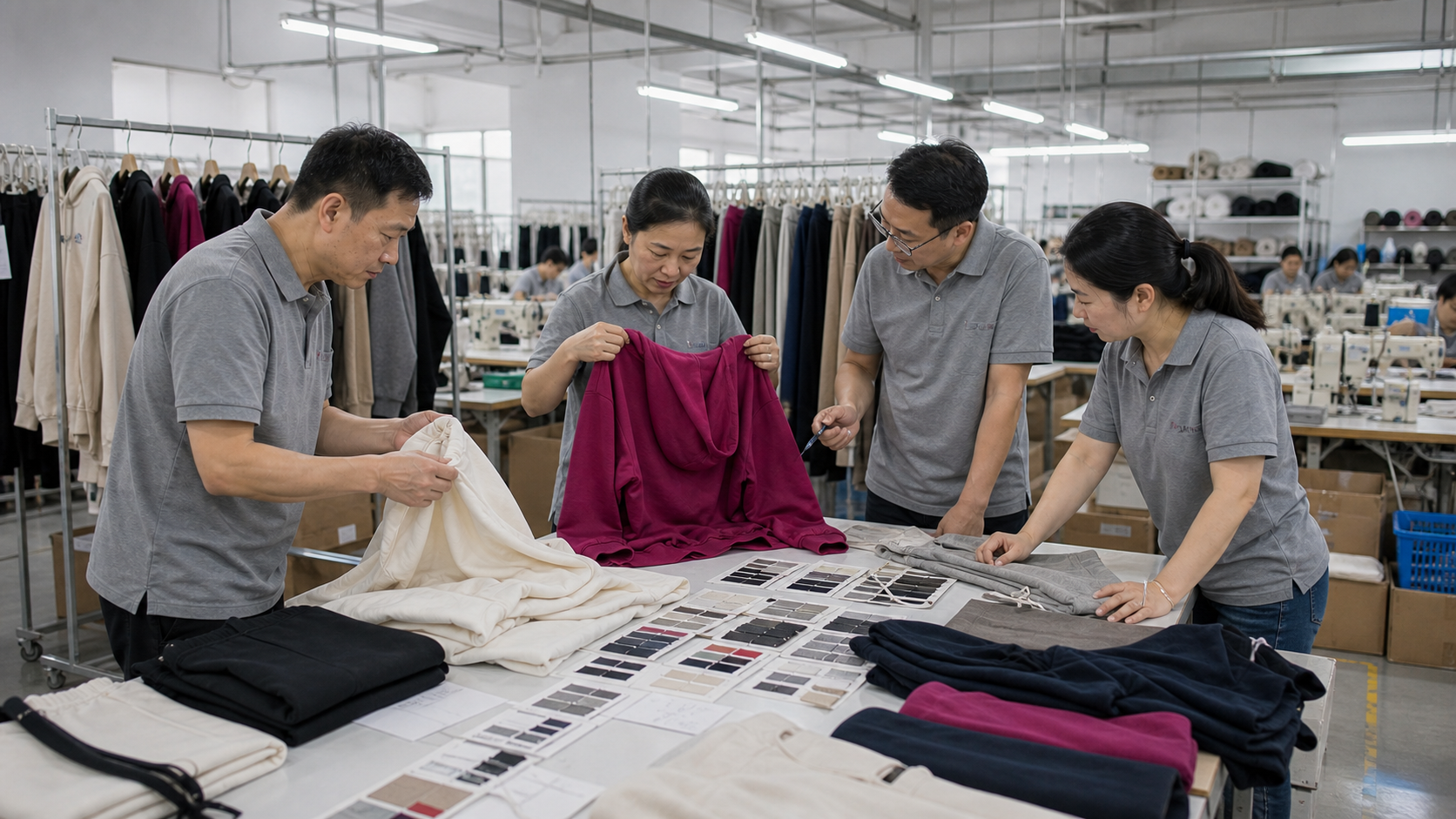
Cosa decide effettivamente la scelta dell'elastico per activewear?
La scelta dell'elastico per activewear non è una scelta di finitura isolata. È una decisione di prodotto su come una cintura, un sottoseno, un'apertura per la gamba, un'apertura per la manica, uno scollo, un bordo, una cinghia o un bordo interno di stabilizzazione debbano comportarsi sul capo previsto. L'acquirente deve indicare la posizione, l'uso del capo, la sensazione desiderata, la finitura visibile o nascosta, la relazione con il materiale principale e la domanda a cui un campione fisico deve rispondere. La fabbrica può quindi valutare una costruzione realizzabile invece di trattare un riferimento generico di elastico come un'istruzione rilasciata.
Questa guida segue il percorso di produzione personalizzata della fabbrica. È rilevante quando un componente elasticizzato influisce sulla vestibilità, sulla costruzione, sul supporto, sul movimento o sul piano campione del prodotto. Un articolo di catalogo con solo un logo, etichette, cartellini o modifiche all'imballaggio appartiene a una discussione più leggera di vendita all'ingrosso o private label. Quando l'acquirente richiede una costruzione diversa della cintura, un nuovo comportamento del sottoseno, una tensione modificata dell'apertura, un sistema di cinghie cambiato o un componente che interagisce con un nuovo materiale o modello, il prodotto necessita di un brief di sviluppo personalizzato.
La decisione è più semplice quando l'elastico viene descritto in base alla sua funzione invece che al suo nome commerciale. Una cintura per leggings, un sottoseno per reggiseno sportivo, un bordo per polsino e un bordo per scollo possono tutti allungarsi, ma non servono lo stesso requisito di indossabilità, movimento, aspetto, costruzione o comfort. Registrare prima il contesto del prodotto. Poi utilizzare il campione per verificare il componente sul capo finito, invece di approvarlo da una striscia sciolta.
Perché un acquirente dovrebbe partire dal compito del componente, non da una specifica di finitura?
Un componente elasticizzato spesso svolge più funzioni contemporaneamente. Può aiutare un capo a rimanere in posizione, riportare un'apertura dopo l'estensione, contenere il bordo di una fodera, gestire la sensazione sulla pelle, creare una linea di design visibile, portare un logo o stabilizzare il rapporto tra due materiali. Queste funzioni possono entrare in conflitto. Un componente scelto solo per una mano sostenuta può risultare diverso quando viene inserito in una cucitura; un'opzione morbida può richiedere una costruzione diversa per rimanere stabile nella posizione prevista.
Inizia scrivendo una breve dichiarazione decisionale. Ad esempio: «La fascia sottoseno dovrebbe posizionarsi comodamente sotto il seno durante il movimento di allenamento previsto, mentre il campione conferma il rapporto tra l'elastico, la fodera, il tessuto esterno, la tensione delle spalline e la taglia.» Questo non rivendica un livello di supporto universale. Fornisce alla fabbrica una domanda chiara da esaminare.
Per un legging, l'acquirente può decidere se la fascia in vita debba risultare liscia, rimanere in una posizione preferita sul corpo e funzionare con il tessuto del corpo selezionato e la costruzione del pannello. Per un reggiseno, la fascia sottoseno può dover essere considerata insieme a copertura, fodera, disposizione delle spalline, direzione della coppa e attività prevista. Per una giacca, un pantaloncino corto o l'apertura di un top, la questione può riguardare come ritorna un bordo, come si posiziona sulla pelle o su uno strato base e se la finitura rimane appropriata quando il capo viene indossato e maneggiato. Il componente non può essere valutato in modo responsabile senza il capo che lo circonda.
Quali aree dell'abbigliamento sportivo richiedono diverse domande sull'elastico?
La tabella seguente aiuta un acquirente a trasformare una richiesta generica di "elastico migliore" in domande campione specifiche per ogni posizione. È un documento decisionale, non una specifica universale dei materiali. Lo stesso prodotto può richiedere più di una revisione, poiché il waistband, l'underband, le spalline e le aperture possono avere ciascuno un ruolo diverso.
Utilizza la tabella prima di una discussione con il fornitore. Spinge l'acquirente a distinguere una posizione da un'aspettativa. "Elastico in vita" dice poco sul prodotto previsto. "Waistband su un legging aderente; esterno liscio; tessuto del corpo selezionato in fase di revisione; campione per valutare posizione, sensazione al contatto e recupero dopo il movimento normale" offre a un team qualcosa che può ispezionare e a cui può rispondere.
Come dovrebbe un acquirente descrivere elasticità, recupero e tensione senza inventare una dichiarazione di test?
L'elasticità è la capacità di un componente di estendersi. Il recupero è il modo in cui ritorna dopo l'estensione. La tensione è la forza che un componente crea all'interno di una particolare costruzione e taglia del capo. Questi aspetti sono collegati, ma non sono intercambiabili. Un acquirente non ha bisogno di pubblicare dati di laboratorio per discuterne. Il compito utile è identificare il contesto d'uso previsto e le evidenze necessarie per decidere se la combinazione proposta è adeguata.
Descrivi chi indossa il capo e il movimento prima di usare termini come sostenuto, morbido, contenitivo, stabile o confortevole. Un reggiseno da studio, uno short da running, un top da allenamento aderente e un leggings orientato al tempo libero possono tutti utilizzare componenti elastici ma essere valutati in modi diversi. Indica se il capo verrà indossato tirandolo sopra il corpo, indossato per movimenti ripetuti, sovrapposto, esposto al sudore o destinato a stare sotto un altro capo. Questi sono elementi di discussione, non garanzie sulle prestazioni.
Il materiale del corpo cambia la domanda. Un tessuto altamente estensibile, una maglia più sostenuta, una fodera, un pannello in mesh, un bordo o un'intersezione di cuciture possono alterare la sensazione o il ritorno di un bordo elasticizzato. La panoramica di tessuti e finiture è un luogo utile per organizzare i riferimenti ai materiali, ma non può confermare un risultato specifico del prodotto. Un campione dovrebbe mostrare insieme il tessuto proposto, il componente, la costruzione, la taglia e il contesto d'uso.
Gli acquirenti dovrebbero anche evitare di considerare la sola larghezza o composizione di un componente come la risposta. L'effetto dipende da dove si trova, come è fissato, quanto materiale contiene, la forma del modello, la taglia del capo e la costruzione circostante. Un brief scritto può indicare ciò che conta: un bordo morbido a contatto con la pelle, una fascia in vita visibilmente pulita, una posizione definita della fascia sottoseno o un'apertura che deve tornare senza deformazioni. La fabbrica può quindi consigliare cosa deve essere verificato invece di promettere un risultato da una singola riga in un elenco di finiture.
Cosa deve mostrare il brief per una fascia in vita o una fascia sottoseno?
Un brief utile include un riferimento frontale, posteriore e in primo piano per l'area del capo interessata. Indica dove inizia e finisce il componente elasticizzato, se è visibile, racchiuso, piegato o abbinato a una fodera o a un rivestimento, e quali dettagli devono restare aperti per la revisione in fabbrica. Se l'acquirente utilizza diversi riferimenti, etichetta cosa dimostra ciascuna immagine. Una foto può mostrare la silhouette desiderata, un'altra l'altezza della fascia in vita, e un campione fisico la superficie o la sensazione al tatto preferita. Non lasciare che un gruppo di immagini non correlate suggerisca una specifica di costruzione completa.
Per una fascia in vita, indica la posizione proposta sul corpo, il rapporto con il cavallo, l'aspetto esterno, la direzione del tessuto principale, le intersezioni con pannelli o tasche, la taglia del campione base e il movimento previsto che il campione dovrebbe riflettere. Un acquirente potrebbe volere che la vita rimanga in una posizione selezionata durante una sequenza di squat, allungamenti o normali movimenti di allenamento. Questa è un'osservazione sul campione da registrare, non un'affermazione che ogni indossatore o taglia avrà lo stesso risultato.
Per una fascia sottoseno, includi il tipo di capo, l'intenzione di copertura, il rapporto con la fodera, la disposizione delle spalline, l'uso previsto, la direzione del tessuto principale e le aree di contatto con la pelle. Indica se l'acquirente ha un riferimento per il bordo visivo, una sensazione al tatto target o un problema da investigare da un campione esistente. Un componente può sembrare accettabile su un tavolo piano mentre la sua interazione con la fodera, le spalline, l'area della coppa e l'indossatore diventa più chiara solo dopo la prova e la revisione del movimento.
La checklist del tech pack per activewear spiega come mantenere queste decisioni visibili attraverso riferimenti di prodotto, materiali, note di costruzione, branding, imballaggio e aggiornamenti di versione. Per la selezione dell'elastico, aggiungi una riga specifica del componente: posizione, ruolo previsto, riferimento, direzione proposta, domanda di costruzione, versione del campione, osservazione, responsabile e azione successiva. Questo impedisce che un campione di tessuto dall'aspetto approvato venga scambiato per un'approvazione dell'intera area del capo.
Come interagiscono elastico, tessuto, fodera e costruzione?
La scelta dell'elastico diventa più affidabile quando ogni strato collegato è nominato. Una fascia in vita può includere un tessuto esterno del corpo, un componente elasticizzato interno, margini di cucitura, una controfodera, un canale per il cordoncino, un'apertura per la tasca o la posizione di un'etichetta. Una sottobanda del reggiseno può essere correlata allo shell, alla fodera, all'elastico, alle spalline, alla costruzione della coppa, alla cucitura laterale e alla finitura del bordo inferiore. La fabbrica deve valutare la combinazione anziché ricevere ogni componente in messaggi separati.
La costruzione influisce sul comportamento. Un elastico può essere racchiuso, attaccato a un bordo, combinato con un bordo di finitura, cucito in una cucitura o utilizzato all'interno di un sistema di fascia in vita più ampio. Ogni approccio cambia ciò che chi indossa vede e sente, dove si trova il volume, quali bordi toccano la pelle e come l'area può essere valutata durante il campionamento. Anziché istruire su una tecnica da un'immagine di prodotto distante, l'acquirente dovrebbe indicare il risultato visibile e la priorità funzionale, poi chiedere quale opzione di costruzione necessita di una revisione del campione.
La relazione è particolarmente importante dove un componente incontra un pannello, una tasca, una zip, una spallina, un gusset, il bordo della fodera o più strati di cucitura. Queste intersezioni possono cambiare la direzione dell'elasticità, il comfort, l'aspetto e le considerazioni sull'assemblaggio. Usa la guida alla costruzione delle cuciture activewear adiacente per mappare la posizione pertinente della cucitura e la questione costruttiva. Non è sufficiente richiedere “cuciture resistenti” o “elastico comodo”. Il brief dovrebbe identificare l'intersezione esatta e ciò che il campione deve mostrare.
I dettagli di colore e brand appartengono allo stesso record quando si applicano al componente. Se un elastico visibile porta artwork, un repeat o una relazione cromatica, identifica la versione attuale dell'artwork, l'orientamento, la scala, il posizionamento e il contesto del materiale. Un componente brandizzato può cambiare la discussione di sviluppo perché unisce funzione del prodotto e presentazione visiva. Mantienilo sul percorso personalizzato in fabbrica quando modifica anche la vestibilità, la costruzione o il sistema di componenti del capo; non trattare il branding come prova che la decisione più ampia sul capo sia stata risolta.
Quando una modifica dell'elastico richiede lo sviluppo personalizzato in fabbrica?
Il confine è chiaro: il branding di un prodotto esistente può rimanere un progetto all'ingrosso o leggermente personalizzato quando il capo stesso non viene modificato e la conversazione riguarda l'applicazione del logo, le etichette, i cartellini o l'imballaggio. Una modifica dell'elastico entra nella produzione personalizzata in fabbrica quando altera la vestibilità del capo, il rapporto con il tessuto, il modello, la costruzione, la direzione del supporto, il comportamento dell'apertura o lo scopo del campione.
Ad esempio, selezionare un set da catalogo e aggiungere un piccolo logo esterno può essere una discussione sulla presentazione del marchio. Richiedere una nuova altezza della fascia in vita, una costruzione interna, un abbinamento di materiali, un rapporto con la tasca o un'apertura gamba elasticizzata crea una questione di sviluppo del capo. Sostituire un dettaglio visibile della fascia sottoseno può similmente influenzare la copertura, la fodera, l'equilibrio delle spalline, il contatto con la pelle e la costruzione. Il passo successivo corretto non è indovinare se la richiesta sia "minore". È descrivere la modifica, identificarne le dipendenze e decidere quali prove fisiche la confermeranno.
Utilizza il percorso di Sviluppo Personalizzato di Activewear quando il prodotto necessita di questa revisione più approfondita. Una prima conversazione produttiva può includere il prodotto di riferimento più vicino, l'attività prevista, la posizione del componente, il materiale del corpo e la direzione della fodera, il risultato visivo e tattile che l'acquirente cerca, i dettagli del marchio ove pertinenti, l'orientamento sulla taglia base e sulla quantità, il contesto di destinazione e le domande a cui il primo campione deve rispondere. Il fornitore può quindi separare ciò che è noto, ciò che è proposto, ciò che necessita di un campione e ciò che rimane soggetto alla fattibilità specifica del progetto.
Cosa deve dimostrare un campione fisico prima dell'approvazione?
Il campione è il punto in cui un componente elasticizzato diventa parte di un prodotto reale, non un elemento di rifinitura isolato. Attribuisci al campione uno scopo definito. Può trattarsi di una revisione della vestibilità, una revisione di materiali e componenti, una revisione della costruzione, una revisione del posizionamento dell'underband, una revisione della posizione della waistband o una revisione dei dettagli brandizzati. Un singolo campione non dimostra automaticamente ogni decisione successiva, ma può risolvere la questione specifica che conta nel momento immediatamente successivo.
Esamina l'area del capo interessata durante il movimento normale e previsto, non solo su una gruccia. Osserva la posizione del componente, la sensazione al contatto, l'aspetto del bordo, il rapporto con il materiale principale, il rapporto con cuciture o pannelli e qualsiasi modifica che l'acquirente desidera venga affrontata nel campione successivo. Usa commenti semplici e specifici rispetto alla posizione: “Sull'underband del campione V1, confrontare il posizionamento proposto e il rapporto con la fodera durante il movimento previsto in fase di prova” è più utilizzabile di “rendilo più stretto”.
Registra ciò che è stato effettivamente esaminato. Includi il codice stile, la taglia, la versione del campione, il riferimento del materiale, il riferimento del componente, lo stato della costruzione, il contesto del indossatore o della prova se applicabile, l'osservazione, il risultato richiesto, la persona responsabile e l'azione successiva. Se una modifica influisce su un altro componente, segnala tale dipendenza. Ad esempio, modificare la costruzione di una waistband può richiedere che il team riveda l'apertura di una tasca, la posizione dell'etichetta, la cucitura del pannello, la direzione della misurazione o la fodera associata. Un registro decisionale chiaro impedisce che una modifica locale diventi un cambiamento di produzione silenzioso.
La panoramica su produzione e QC mostra perché i documenti di prodotto rilasciati devono collegare materiali approvati, costruzione, branding, imballaggio e punti di attenzione per l'ispezione. Non approva un particolare componente o ordine. Ogni programma necessita comunque delle proprie evidenze aggiornate, di un responsabile e di un registro di conferma prima che si possa prendere una decisione di produzione.
Il campione dovrebbe anche distinguere l'aspetto dall'approvazione. Una finitura dall'aspetto pulito può essere promettente, ma l'acquirente deve comunque decidere se la vestibilità del capo, i punti di contatto, la costruzione e il risultato in movimento sono in linea con il brief. Se le informazioni sono incomplete, mantieni la questione aperta e individua quali evidenze servono successivamente. Questo è più affidabile che trattare un riferimento visivo o una breve nota di prova come una conferma universale.
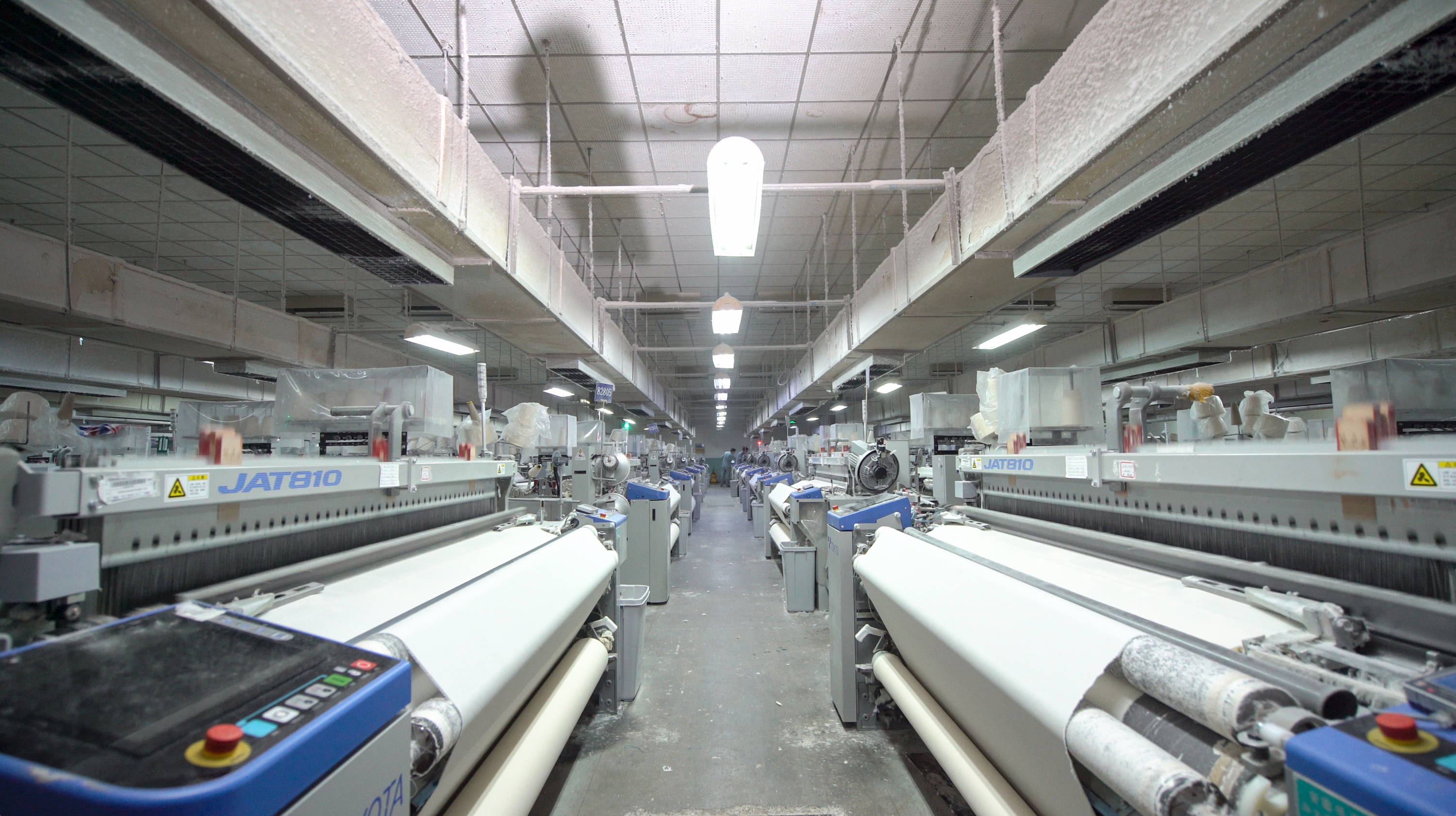
Tessuto in lavorazione su macchinari di fabbrica autorizzati, come promemoria del fatto che le scelte dei componenti appartengono alla discussione completa su materiali e produzione
Cosa devono verificare gli acquirenti prima di mandare in produzione un componente elasticizzato?
Utilizza questa checklist dopo che il componente e il capo sono stati esaminati insieme. È volutamente pratica: aiuta l'acquirente a preparare un verbale decisionale per la prossima conversazione con la fabbrica, invece di suggerire che qualsiasi articolo sia universalmente approvato.
- Indica lo stile del capo, il destinatario previsto, l'attività prevista, il canale e l'area esatta servita dal componente elasticizzato.
- Identifica il percorso di servizio: branding di prodotto esistente, test in piccoli lotti o produzione personalizzata in fabbrica; spiega qualsiasi questione di confine.
- Allega i riferimenti pertinenti frontali, posteriori, interni o in primo piano e indica cosa ciascun riferimento intende mostrare.
- Nomina il tessuto principale, la fodera, i pannelli, i bordi, le cuciture, le tasche, le cinghie, le etichette o i dettagli del marchio che interagiscono con il componente.
- Registra la posizione del componente, la finitura visibile o nascosta, la sensazione prevista e la questione di prodotto ancora aperta.
- Includi la taglia del campione base, l'intenzione di vestibilità, le condizioni di misurazione e qualsiasi direzione di misurazione specifica per la posizione necessaria per la revisione.
- Identifica il contesto di movimento o di utilizzo utilizzato per valutare la fascia in vita, la fascia sotto il seno, l'apertura o l'area delle cinghie.
- Distingui un risultato visivo desiderato da un esito di prodotto confermato; utilizza il campione per testare quest'ultimo.
- Assegna a ciascun componente e riferimento grafico una versione corrente, una fonte, uno stato e un responsabile della decisione.
- Nota se una modifica influisce su una cucitura, un pannello, una fodera, una tasca, una cinghia, un logo, un'etichetta o un'altra approvazione a valle.
- Registra il campione esatto, l'osservazione, la modifica richiesta, la persona responsabile e il prossimo punto di revisione.
- Mantieni la disponibilità dei materiali, i prezzi, le quantità, il MOQ, i tempi, la capacità e la fattibilità finale come argomenti specifici del progetto da confermare con la fabbrica.
- Conserva il riferimento approvato insieme ai successivi documenti di costruzione, QC, imballaggio e riordino, in modo che la decisione sia tracciabile.
In che modo inPACE Sports può supportare una discussione sulla selezione elastica?
inPACE Sports può discutere la selezione elastica per l'activewear all'interno di un brief di prodotto personalizzato in fabbrica. Il punto di partenza utile non è una richiesta di un generico "elastico migliore". È il ruolo del capo, la posizione del componente, l'attività prevista, il riferimento prodotto più vicino, la direzione del materiale principale e della fodera, le priorità di vestibilità e visive, il contesto di branding, la domanda sul campione, l'orientamento sulle quantità, il contesto di destinazione e i punti aperti noti. Questo fornisce al team una base per esaminare la relazione tra il componente e il capo nel suo insieme.
La Activewear Performance Collection può aiutare un acquirente a identificare una direzione di prodotto close-fit o coordinata. Il Light Support Bra Program offre un riferimento pertinente per le domande relative al posizionamento della fascia sotto il seno, alla fodera, agli spallini e alla revisione del campione. Queste pagine prodotto sono riferimenti iniziali, non specifiche o promesse di produzione. Un acquirente dovrebbe indicare cosa deve rimanere, cosa deve cambiare e cosa necessita dell'input della fabbrica prima di presumere che un prodotto fotografato risponda alla decisione sul componente.
Quando è pronto, invia un brief su activewear elastic e campione con il riferimento prodotto, il caso d'uso, la posizione del componente, la direzione del materiale e della fodera, le note sulla finitura visibile, le osservazioni sulla vestibilità, l'ambito di branding, i file campione, l'orientamento sulle quantità, il mercato di destinazione e le una o due domande che necessitano della revisione della fabbrica. La discussione successiva potrà quindi chiarire il percorso appropriato e le evidenze senza pretendere che una scelta di componente ancora aperta sia già stata approvata.
Direzioni prodotto
Esplora i prodotti activewear pertinenti
Usa queste pagine prodotto come riferimenti pratici per il tuo brief, poi conferma materiali, vestibilità, personalizzazione e dettagli di produzione tramite campionatura.
FAQ
Domande dell'acquirente
Che cos'è la selezione dell'elastico per activewear?
La selezione dell'elastico per activewear è la decisione di sviluppo prodotto su come un componente elasticizzato debba funzionare in una specifica area del capo, come una fascia in vita, una fascia sotto il seno, un'apertura, una bordatura, uno spallino o un bordo interno di stabilizzazione. La revisione dovrebbe collegare il componente all'uso previsto del capo, alla vestibilità, al tessuto, alla fodera, alla costruzione, all'area a contatto con la pelle, alle prove sul campione e al record di approvazione corrente, invece di trattare un campione di passamaneria sfuso come un'approvazione di prodotto finito.
Cosa dovrebbe specificare un acquirente per una fascia in vita per activewear?
Per una fascia in vita, specificare il capo e l'attività prevista, dove dovrebbe posizionarsi la vita, la finitura visibile, l'altezza della fascia o la direzione di misurazione rilevante, il contesto del tessuto principale e della fodera, le intersezioni con pannelli o tasche, la taglia base del campione e la domanda a cui il campione dovrebbe rispondere. La fabbrica può quindi rivedere il componente e la costruzione proposti nel contesto, invece di presumere che un riferimento generico a un elastico fornisca un'istruzione completa.
In che modo una fascia sotto il seno per reggiseno sportivo è diversa da una fascia in vita per leggings?
Una fascia sotto il seno per reggiseno sportivo deve essere rivista insieme alla copertura del reggiseno, alla fodera, alla disposizione degli spallini, alla direzione delle coppe, all'area a contatto con la pelle, al tessuto e all'attività prevista. Una fascia in vita per leggings viene rivista tenendo conto del cavallo, della disposizione dei pannelli, del tessuto principale, delle tasche ove rilevanti, dell'aspetto esterno e del movimento. Entrambe possono utilizzare componenti elasticizzati, ma i loro ruoli di prodotto, le dipendenze costruttive, le domande di vestibilità e le prove di approvazione sono diverse.
Un acquirente può approvare un elastico da un campione di passamaneria sfuso?
Un campione di passamaneria sfuso può aiutare ad avviare una discussione sui materiali, ma non può approvare in modo affidabile l'area del capo finito da solo. Il componente può comportarsi diversamente una volta combinato con il tessuto selezionato, la fodera, il modello, il margine di cucitura, la costruzione, la taglia e il movimento previsto durante l'uso. Utilizzare un campione di capo o di operazione per rivedere la domanda specifica della posizione, quindi registrare insieme il riferimento del componente e l'esito.
Quando una modifica dell'elastico richiede uno sviluppo personalizzato per activewear?
Una modifica dell'elastico richiede uno sviluppo personalizzato in fabbrica quando cambia la vestibilità del capo, il rapporto con il tessuto, il modello, la costruzione, la direzione del supporto, il comportamento dell'apertura o lo scopo del campione. Una modifica di logo, etichetta, cartellino o imballaggio su uno stile di catalogo altrimenti invariato può seguire un percorso di branding più leggero. Il percorso corretto dovrebbe basarsi sulla modifica del capo e sulle prove richieste, non sul fatto che una richiesta sembri piccola.
Cosa dovrebbe registrare una revisione del campione di elastico per activewear?
Registrare il codice stile, la taglia, la versione del campione, l'area del capo, i riferimenti del materiale principale e della fodera, il riferimento dell'elastico o del componente, lo stato di costruzione, il contesto di vestibilità o movimento, l'osservazione, l'esito richiesto, il responsabile della decisione e l'azione successiva. Se la modifica richiesta influisce su una cucitura, un pannello, una tasca, uno spallino, un logo, un'etichetta o un'altra approvazione, aggiungere tale dipendenza allo stesso record in modo che un adeguamento locale non crei un cambiamento di prodotto non rilevato.
La selezione dell'elastico per activewear determina MOQ, prezzo o tempi di consegna?
No. La selezione dell'elastico può influire sulle domande che una fabbrica deve esaminare, ma MOQ, prezzi, tempi, capacità, disponibilità e fattibilità finale rimangono specifici del progetto. Possono dipendere dal capo, dai tessuti, dalle varianti colore, dai componenti, dalla costruzione, dal percorso del campione, dal branding, dall'imballaggio, dalla direzione della quantità, dalla pianificazione della fabbrica e dai requisiti di destinazione. Discutere tali termini solo dopo che l'ambito del prodotto e le ipotesi rilevanti sono chiari.