
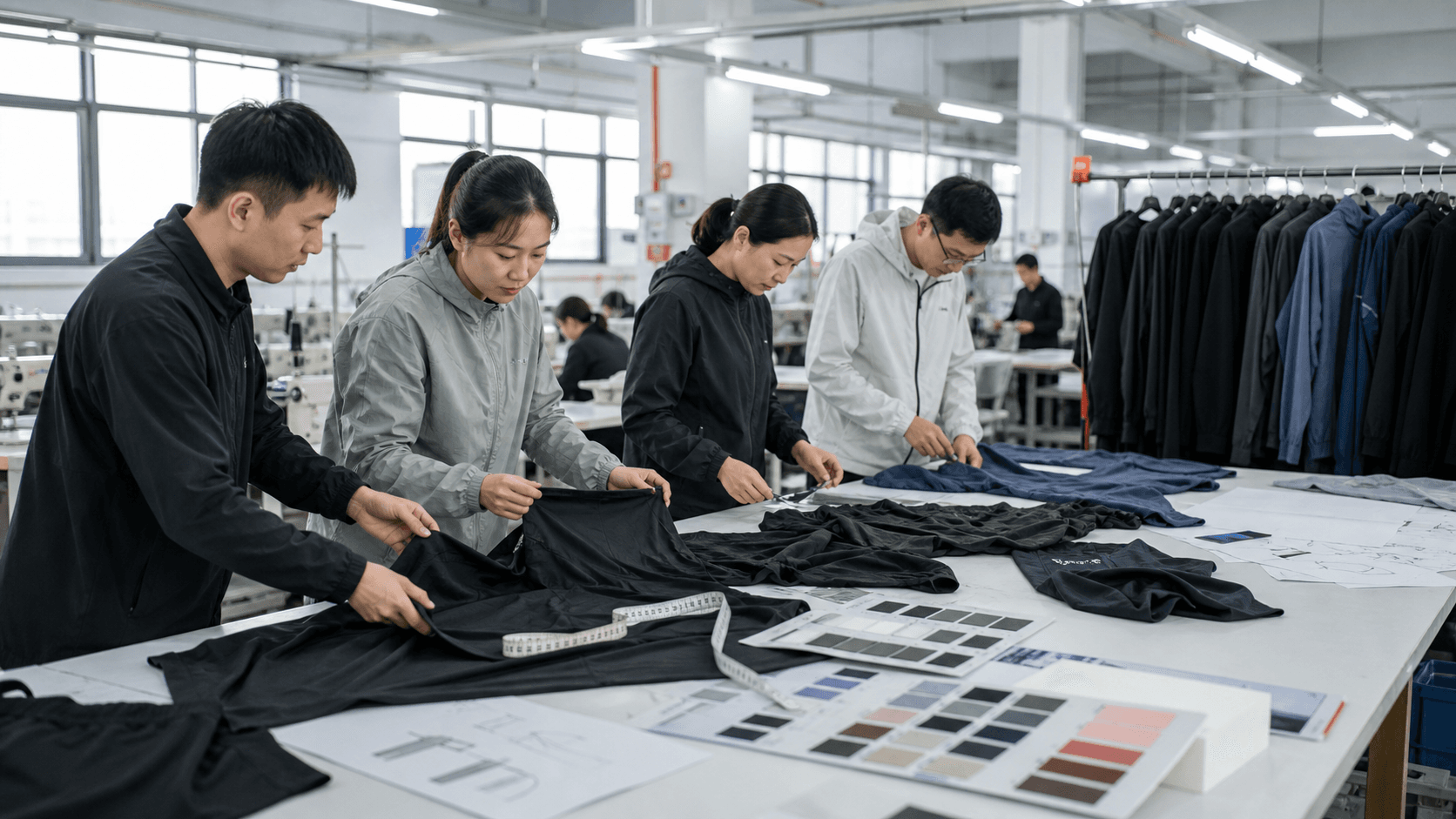
Comience con la ruta
¿Cómo debe elegir una marca entre la fabricación al por mayor activo y la fabricación personalizada?
Si el comprador puede comenzar con una silueta existente y principalmente necesita un resultado de marca, como un logotipo o una marca, etiquetas, etiquetas, gachas, embalajes y detalles de recepción, una ruta mayor de uso activo puede ser un punto de partida práctico. Si el comprador necesita una nueva prenda en lugar de una versión de marca de una dirección existente, el proyecto pertenece al desarrollo de fábricas personalizadas.
Esta distinción ayuda a prevenir dos errores comunes de contratación. La primera es pedir a una fábrica para crear un nuevo producto de rendimiento cuando una dirección de catálogo seleccionada y un paquete de etiqueta privada clara cumpliría el objetivo de negocio. La segunda está tratando de forzar un tejido único, ajuste, nivel de soporte, diseño de panel, o característica en una solicitud. ruta de desarrollo de ropa deportiva personalizada, donde la fábrica puede revisar el resumen del producto, la dirección de muestra, las opciones de material y las implicaciones de producción.
Cuadro de comparación
Compare las tres rutas de abastecimiento de ropa deportiva antes de pedir una cotización
La tabla de abajo no es una promesa de una ruta de pedido fijo. Ayuda a un comprador a identificar qué conversación debe llegar primero. Disponibilidad de tela, dirección de color, complejidad de producto, marca, embalaje, cantidad y mercado de entrega todavía necesita revisión específica del proyecto.
| Ruta | Punto de partida | Qué se puede planear | Mejor ajuste |
|---|---|---|---|
| Personalización al por mayor / luz | Un comprador elige una dirección de producto existente y añade presentación de marca. | Aplicación de logotipos o marcas, etiquetas, etiquetas de colgar, embalaje, tamaño o planificación de color, y recibir detalles. | Un estudio, minorista, club o marca quiere una ruta práctica de productos de marca sin crear una nueva prenda desde cero. |
| Fabricación a medida de cubo pequeño | Un comprador quiere probar una idea de producto más distinta antes de ampliar el programa. | Revisión de la muestra, tejido seleccionado y cambios de ajuste, dirección de color o producto limitada, branding, QC y planificación de embalaje. | Una nueva marca, cápsula estacional o prueba de producto necesita más que un cambio de logotipo, pero no está todavía listo para escalar un rango completo. |
| Fabricación personalizada de fábrica | Un comprador necesita un producto desarrollado alrededor de su propio ajuste, tela, estructura, color, o breve rendimiento. | Dirección de patrones y muestras, telas y trims, construcción, rango de tamaño, branding, QC, empaquetado y documentación de producción. | Una marca necesita una nueva silueta, comportamiento material, nivel de soporte, diseño de panel, bolsillo, correa u otro detalle de definición de producto. |
Personalización al por mayor y ligera
¿Cuándo la ropa deportiva al por mayor con logotipo personalizado tiene sentido?
Una ruta al por mayor es útil cuando el comprador ha encontrado una dirección de uso activo existente que se adapte al cliente previsto y canal de venta. La siguiente tarea es hacer que el producto sea reconociblemente suyo. Eso puede implicar un logotipo o método de marca, sistema de etiquetas, cuidado y información de tamaño, gatitos, bolsas de poli, código de barras o detalles de cartón, y un plan de color o tamaño apropiado para el pedido.
El colección de rendimiento de ropa deportiva proporciona referencias prácticas de producto para esta conversación. Un comprador puede identificar un conjunto, sujetador deportivo, u otra silueta de inicio, luego utilizar el Servicio de ropa deportiva de marca privada para describir las marcas y embalajes que deben viajar con él. El producto todavía necesita una revisión de la tela, color, método de marca, cantidad y requisitos de destino pertinentes antes de que se confirme la ruta.
Para una lista práctica del producto, logo, etiqueta y detalles de embalaje para preparar, leer cómo planificar el mayor activo con un logotipo personalizado.
Elija una dirección de producto
Comience con un estilo de catálogo que está cerca del atleta, canal, papel de producto y posición de venta al por menor. El estilo seleccionado es una referencia para la discusión, no una especificación final automática.
Presentación de la marca Plan
Define el logotipo o la marca de arte, colocación, etiquetas, gachas, bolsas de poli, marcas de cartón, información de tamaño y cualquier requisito de recepción que hacen que el producto esté listo para el canal del comprador.
Confirme la ruta del pedido
Revise el estilo relevante, material disponible y dirección de color, método de marca, cantidad, embalaje, mercado de destino y las decisiones que aún requieren confirmación de fábrica.
Escalar cuando el producto cambia
Muévete en el desarrollo personalizado de fábrica cuando el comprador necesita un nuevo ajuste, tela, diseño de paneles, nivel de soporte, característica de construcción, u otro cambio más allá de la ruta basada en catálogo.
Referencias del producto
Elija una dirección de producto, luego elija el nivel adecuado de personalización
Estas páginas de productos no son enlaces de pie genéricos. Ayudan a un comprador a iniciar la conversación correcta: una ruta de venta al por mayor y de marca basada en catálogos, o un punto de referencia para un resumen de fábrica más personalizado.
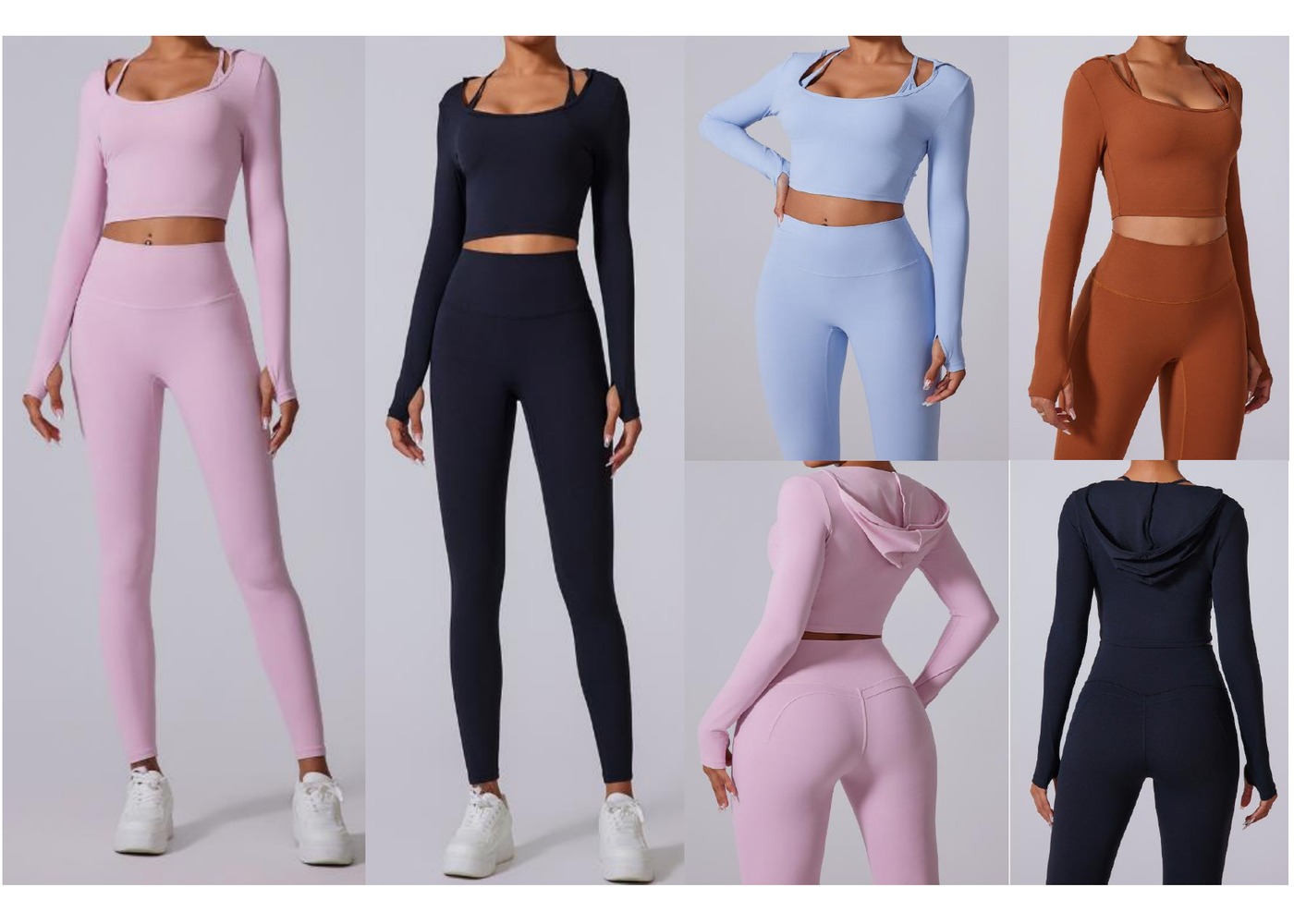
Conjunto de entrenamiento de agujeros de agujeros
Un conjunto de referencia coordinado para los compradores que planean un programa de formación de marca con logotipo, etiquetas, embalaje y repetir direcciones de color.
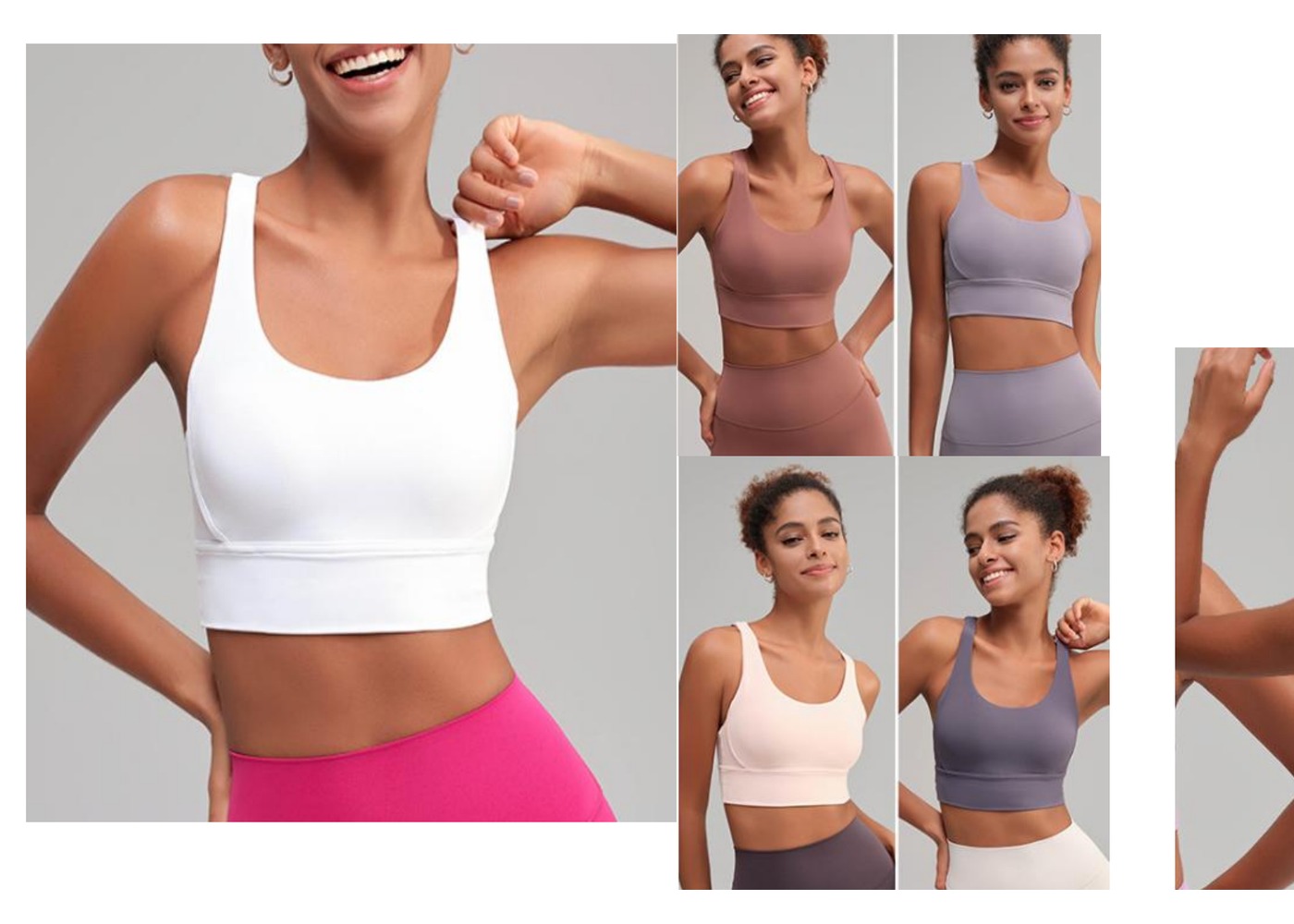
Programa de soporte de luz
Una dirección de producto de calzado activo núcleo para paquetes de color, colocación de logotipos, etiquetas y una discusión al por mayor de etiquetas privadas.
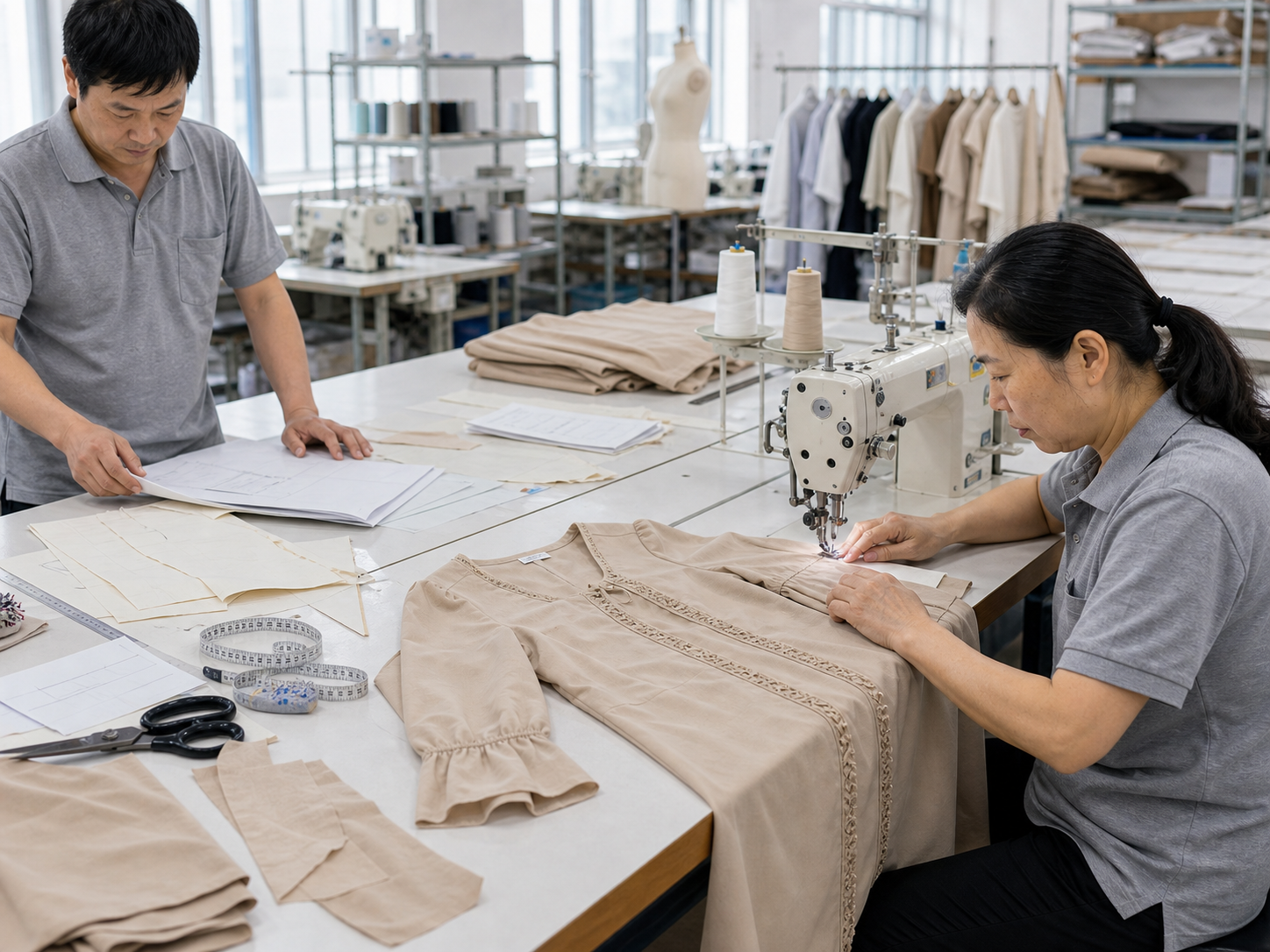
Desarrollo de ropas activas personalizadas
Para proyectos que necesiten un nuevo ajuste, tela, construcción o función de producto más allá de una ruta mayor basada en catálogos.
Fabricación personalizada de fábrica
¿Qué hace que un proyecto sea un breve fabricante de fábrica personalizada?
Un proyecto de ropa deportiva personalizada comienza cuando los requisitos del comprador cambian la prenda en sí mismo. Ejemplos incluyen un nuevo ajuste, diferente dirección de compresión o soporte, una cinta única, diseño de panel, configuración de correa, bolsillo, carretilla de tela, comportamiento de estiramiento, requisito de opacidad, ruta de color especial, o detalle de construcción específico de producto. En esta ruta, la presentación de marca sigue siendo importante, pero es una parte de una decisión de desarrollo de producto más grande.
La fábrica necesita una clara cuenta del atleta, actividad, material de referencia, comportamiento de tela, mediciones, rango de tamaño, colores, logotipos, etiquetas, embalaje, cantidad estimada y mercado de entrega. Un paquete de tecnología completo es útil, pero una muestra de referencia, boceto, imagen o producto de catálogo también puede iniciar la discusión cuando el comprador identifica lo que debe ser retenido y lo que debe cambiar. guía RFQ de uso personalizado explica cómo organizar esas entradas antes de pedir a una fábrica que revise una ruta de cotización.
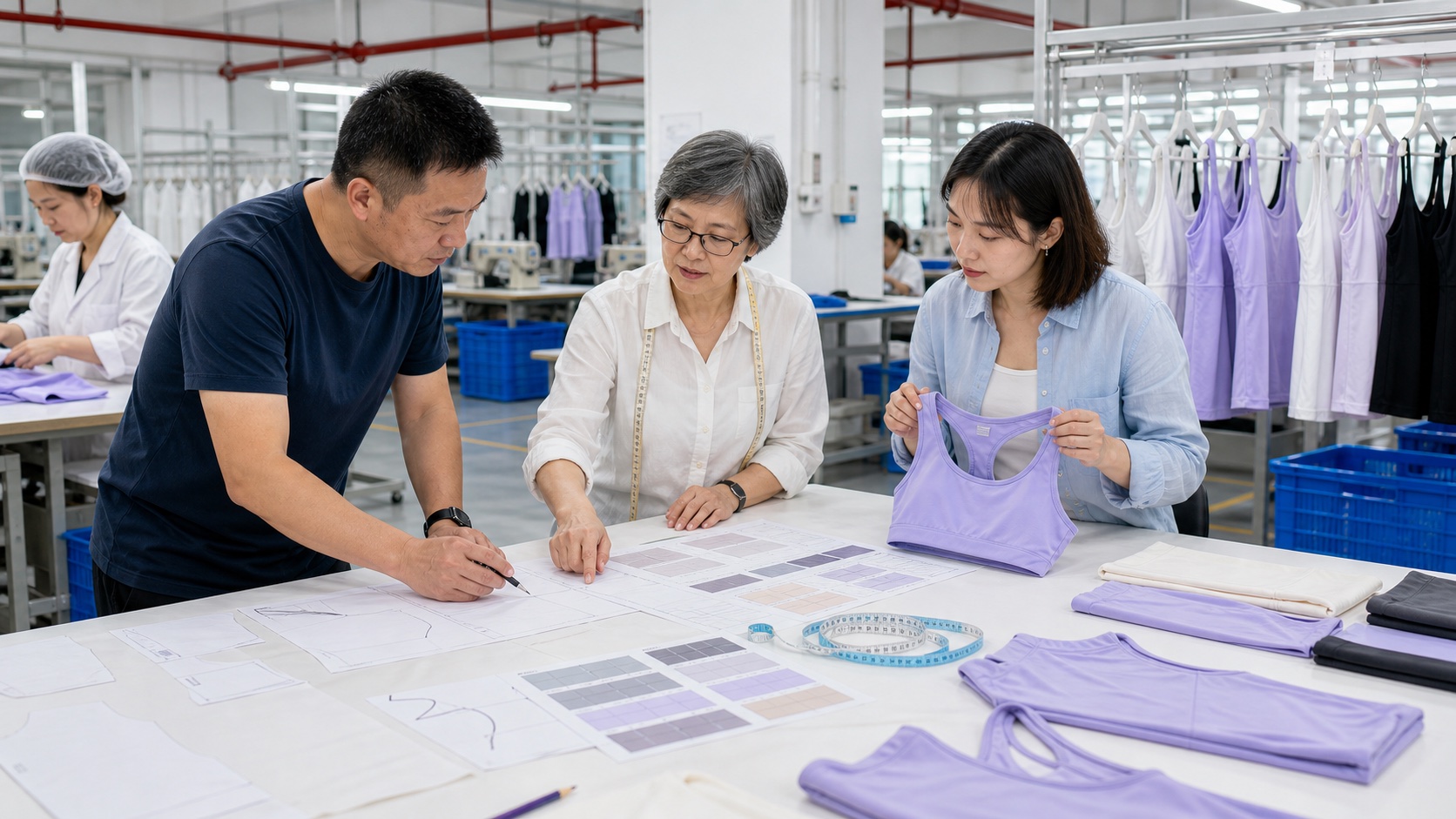
Cuando la prenda en sí necesita cambiar, el comprador y la fábrica necesitan un informe de producto que pueda guiar la revisión de la muestra y la planificación de la producción.
Proyectos personalizados de pequeña escala
¿Dónde cabe la ropa deportiva personalizada de la pequeña calada?
El uso de la ropa de cama pequeña es útil cuando una marca necesita más control de productos que una ruta de aplicación ligera, pero quiere validar un nuevo estilo, material, ajuste o posición de mercado antes de planificar un programa más grande. No se define por una cantidad universal. El camino de trabajo depende de la prenda seleccionada, la disponibilidad de tela, los colores, el logotipo y el alcance del embalaje, la complejidad de la producción y el plan de aprobación del comprador.
Para un proyecto pequeño, mantenga el primer breve enfoque. Seleccione el papel más importante del producto, identifique las características que no pueden cambiar, note lo que puede seguir siendo flexible, y defina lo que debe demostrar la muestra. Eso podría ser apropiado, soporte, opacidad, manguito, comodidad de costura, comportamiento del logotipo, colocación de etiquetas o embalaje. flujo de trabajo de fabricación de ropa deportiva ayuda a un comprador a entender cómo esas decisiones se mueven de una revisión breve a una muestra, preparación de la producción, QC y embalaje.
Materiales y producción
¿Cómo cambian las decisiones de material y producción entre las rutas?
Una ruta de producto existente puede simplificar la primera decisión del producto, pero no elimina la necesidad de discutir cómo se marcará, empaquetará y entregará la prenda. Una ruta personalizada añade variables de producto que deben resolverse antes de la producción: selección de tejidos, estiramiento y recuperación, opacidad, manguito, construcción, trims, mediciones, clasificación y los comentarios de muestra que forman la referencia aprobada. telas y trims vista general cuando esas opciones materiales son centrales para el proyecto.
En cualquier ruta, la ejecución de fábrica importa. El comprador debe saber qué ha sido aprobado antes de que comience la costura y qué detalles necesitan comprobar antes de la licencia de mercancías: mediciones, mano de obra, posición de logotipo, etiquetas, embalaje y información de cartón. página de fabricación y QC delinea los puestos de control de fábrica que conectan una decisión de producto a un orden de producción.
Lista de comprobación del comprador
Utilice esta lista de verificación para elegir la ruta correcta de uso activo
Elija si una dirección de producto existente es lo suficientemente cercana para su cliente y canal.Para mayorista, prepare el logotipo o la marca de arte, etiqueta, hangtag, embalaje y requisitos de recepción.Para proyectos personalizados, lista las características de la prenda que necesitan ser diferentes de una referencia de catálogo.Describir el comportamiento de la tela, el ajuste, el soporte, la cobertura o las expectativas de construcción cuando esas decisiones están abiertas.Colores blancos estatales, rango de tamaño, cantidad estimada, mercado de destino y dirección de lanzamiento donde se sabe.Utilice una muestra, imagen de referencia, bosquejo, paquete de tecnología o página de producto seleccionada para hacer la primera discusión específica.Recordar lo que debe ser aprobado antes de la producción: detalles de producto, marca, etiquetas, embalaje y puntos QC.Pida a la fábrica que identifique las suposiciones del proyecto en lugar de tratar una discusión temprana como un compromiso final.
Contexto del proveedor de fábrica
inPACE Sports apoya los programas de ropa deportiva B2B a través de la selección de productos, detalles de etiquetas privadas, desarrollo personalizado, revisión de muestras, coordinación de producción, QC, embalaje y preparación de exportación. Para un proyecto que requiere una ruta más profunda personalizada, Ningbo Yinshan Garments Factory en Ningbo, Zhejiang, China puede revisar los requisitos de producto y producción pertinentes con el comprador.
Siguiente paso
Elija una ruta de producto que coincida con el cambio que realmente necesita
Si una dirección de uso activo existente más presentación de marca cumple con su objetivo, comience seleccionando referencias de producto y preparando su logotipo, etiquetas, embalaje, cantidad y requisitos de mercado. Si la prenda necesita un nuevo ajuste, tela, construcción o detalle de rendimiento, prepare un resumen de producto personalizado para que la fábrica pueda revisar una ruta de producción y muestra. inPACE puede discutir cualquier camino con la información que ya tiene.
Elija las direcciones de producto al por mayorCompartir un calzoncillo de trabajo personalizado
Marco de comprador de larga duración
¿Cómo puede un comprador convertir esta investigación en una decisión lista para la producción?
La tarea central en elegir entre el mayor de la ropa deportiva y la fabricación personalizada es decidir si un producto existente más marca puede cumplir con el programa o la prenda necesita un nuevo ajuste, tela, construcción, color, o la ruta de desarrollo de rendimiento. Esa decisión no se puede tomar a partir de un precio de titularidad, una foto de producto, o una declaración general sobre la personalización. Necesita un registro que conecte el objetivo comercial a la prenda, material, ajuste, construcción, marca, cantidad, cheques de calidad, embalaje y destino. Cuando esos elementos son visibles juntos, un comprador puede hacer preguntas más precisas y una fábrica puede explicar la ruta sin pretender que los detalles abiertos ya se confirman.
El propósito del marco a continuación no es convertir a un fundador de marca o comprador en un técnico de prendas. Es para hacer clara la responsabilidad y la evidencia. El comprador define la necesidad de cliente y negocio, comparte lo que se conoce, e identifica las decisiones que importan. identificar dónde termina la personalización de la luz y el desarrollo del producto comienza antes de que se compartan las suposiciones de cotización y muestreo. Ambas partes luego registran lo que se revisó, lo que sigue siendo condicional, lo que debe ser aprobado físicamente, y qué información guiará la producción o una orden de repetición posterior.
1
Comience con el objetivo de negocio
Un uniforme de estudio, gama de minoristas, orden de club de marca, prueba en línea y producto de rendimiento distintivo crean diferentes razones para elegir el desarrollo al por mayor o personalizado.
Para esta decisión, el comprador debe indicar el resultado previsto, proporcionar la evidencia más cercana disponible, e identificar lo que es flexible. El proveedor puede entonces explicar las implicaciones de producto o proceso y marcar cualquier dependencia de la disponibilidad de tela, color, construcción, método de logotipo, componentes, cantidad o embalaje. Una respuesta útil distingue una recomendación de una instrucción de producción confirmada y dice lo que necesita ser revisado a través de una muestra u otro paso de aprobación.
Grabar el resultado dentro una hoja de decisión de ruta que muestra la referencia seleccionada, los cambios necesarios, las preguntas de material y muestra, el alcance de marcación, las cantidades, el embalaje y el destino. Incluya la fecha, el archivo o la muestra pertinente, la persona responsable de la siguiente acción, y el estado de la decisión. Si un cambio posterior afecta a ajuste, material, mano de obra, marca, surtido o preparación de entrega, vuelva a este registro e identifique qué aprobaciones relacionadas deben ser revisadas de nuevo. Esto evita que un cambio local crea una inconsistencia de flujo inadvertido.
2
Medir la brecha de un estilo existente
Enumerar lo que ya funciona y si los cambios solicitados afectan solamente la presentación o alteración del ajuste, el material, el patrón, la construcción, el soporte o la función.
Para esta decisión, el comprador debe indicar el resultado previsto, proporcionar la evidencia más cercana disponible, e identificar lo que es flexible. El proveedor puede entonces explicar las implicaciones de producto o proceso y marcar cualquier dependencia de la disponibilidad de tela, color, construcción, método de logotipo, componentes, cantidad o embalaje. Una respuesta útil distingue una recomendación de una instrucción de producción confirmada y dice lo que necesita ser revisado a través de una muestra u otro paso de aprobación.
Grabar el resultado dentro una hoja de decisión de ruta que muestra la referencia seleccionada, los cambios necesarios, las preguntas de material y muestra, el alcance de marcación, las cantidades, el embalaje y el destino. Incluya la fecha, el archivo o la muestra pertinente, la persona responsable de la siguiente acción, y el estado de la decisión. Si un cambio posterior afecta a ajuste, material, mano de obra, marca, surtido o preparación de entrega, vuelva a este registro e identifique qué aprobaciones relacionadas deben ser revisadas de nuevo. Esto evita que un cambio local crea una inconsistencia de flujo inadvertido.
3
Tejido de teje y encaja como conectado
Un cambio de material puede alterar el estiramiento, la recuperación, la opacidad, el soporte, las mediciones, el comportamiento de costura, la compatibilidad con el logotipo y el significado de una muestra existente.
Para esta decisión, el comprador debe indicar el resultado previsto, proporcionar la evidencia más cercana disponible, e identificar lo que es flexible. El proveedor puede entonces explicar las implicaciones de producto o proceso y marcar cualquier dependencia de la disponibilidad de tela, color, construcción, método de logotipo, componentes, cantidad o embalaje. Una respuesta útil distingue una recomendación de una instrucción de producción confirmada y dice lo que necesita ser revisado a través de una muestra u otro paso de aprobación.
Grabar el resultado dentro una hoja de decisión de ruta que muestra la referencia seleccionada, los cambios necesarios, las preguntas de material y muestra, el alcance de marcación, las cantidades, el embalaje y el destino. Incluya la fecha, el archivo o la muestra pertinente, la persona responsable de la siguiente acción, y el estado de la decisión. Si un cambio posterior afecta a ajuste, material, mano de obra, marca, surtido o preparación de entrega, vuelva a este registro e identifique qué aprobaciones relacionadas deben ser revisadas de nuevo. Esto evita que un cambio local crea una inconsistencia de flujo inadvertido.
4
Define el paquete de marcación
Logo, etiquetas, etiquetas, cubos, campos de barras, bolsas, plegables, marcas de cartón y las instrucciones de recepción pueden ser sustanciales sin convertir la prenda en un patrón personalizado.
Para esta decisión, el comprador debe indicar el resultado previsto, proporcionar la evidencia más cercana disponible, e identificar lo que es flexible. El proveedor puede entonces explicar las implicaciones de producto o proceso y marcar cualquier dependencia de la disponibilidad de tela, color, construcción, método de logotipo, componentes, cantidad o embalaje. Una respuesta útil distingue una recomendación de una instrucción de producción confirmada y dice lo que necesita ser revisado a través de una muestra u otro paso de aprobación.
Grabar el resultado dentro una hoja de decisión de ruta que muestra la referencia seleccionada, los cambios necesarios, las preguntas de material y muestra, el alcance de marcación, las cantidades, el embalaje y el destino. Incluya la fecha, el archivo o la muestra pertinente, la persona responsable de la siguiente acción, y el estado de la decisión. Si un cambio posterior afecta a ajuste, material, mano de obra, marca, surtido o preparación de entrega, vuelva a este registro e identifique qué aprobaciones relacionadas deben ser revisadas de nuevo. Esto evita que un cambio local crea una inconsistencia de flujo inadvertido.
5
Use el muestreo para las preguntas correctas
Una muestra de marca, muestra de ajuste, muestra de desarrollo o revisión de material debe tener un propósito claro que coincida con la ruta seleccionada.
Para esta decisión, el comprador debe indicar el resultado previsto, proporcionar la evidencia más cercana disponible, e identificar lo que es flexible. El proveedor puede entonces explicar las implicaciones de producto o proceso y marcar cualquier dependencia de la disponibilidad de tela, color, construcción, método de logotipo, componentes, cantidad o embalaje. Una respuesta útil distingue una recomendación de una instrucción de producción confirmada y dice lo que necesita ser revisado a través de una muestra u otro paso de aprobación.
Grabar el resultado dentro una hoja de decisión de ruta que muestra la referencia seleccionada, los cambios necesarios, las preguntas de material y muestra, el alcance de marcación, las cantidades, el embalaje y el destino. Incluya la fecha, el archivo o la muestra pertinente, la persona responsable de la siguiente acción, y el estado de la decisión. Si un cambio posterior afecta a ajuste, material, mano de obra, marca, surtido o preparación de entrega, vuelva a este registro e identifique qué aprobaciones relacionadas deben ser revisadas de nuevo. Esto evita que un cambio local crea una inconsistencia de flujo inadvertido.
6
Comparación de las hipótesis de cantidad y costos
La complejidad del estilo, la disponibilidad de telas, colores, componentes, marca, embalaje, cantidad y horario afectan la ruta, por lo que ningún umbral genérico debe decidirlo solo.
Para esta decisión, el comprador debe indicar el resultado previsto, proporcionar la evidencia más cercana disponible, e identificar lo que es flexible. El proveedor puede entonces explicar las implicaciones de producto o proceso y marcar cualquier dependencia de la disponibilidad de tela, color, construcción, método de logotipo, componentes, cantidad o embalaje. Una respuesta útil distingue una recomendación de una instrucción de producción confirmada y dice lo que necesita ser revisado a través de una muestra u otro paso de aprobación.
Grabar el resultado dentro una hoja de decisión de ruta que muestra la referencia seleccionada, los cambios necesarios, las preguntas de material y muestra, el alcance de marcación, las cantidades, el embalaje y el destino. Incluya la fecha, el archivo o la muestra pertinente, la persona responsable de la siguiente acción, y el estado de la decisión. Si un cambio posterior afecta a ajuste, material, mano de obra, marca, surtido o preparación de entrega, vuelva a este registro e identifique qué aprobaciones relacionadas deben ser revisadas de nuevo. Esto evita que un cambio local crea una inconsistencia de flujo inadvertido.
7
Plan QC y repetibilidad antes de la aprobación
El comprador necesita registros para productos, mediciones, materiales, obras de arte, etiquetas, embalaje, cheques y cambios si el proyecto comienza desde un catálogo o un breve personalizado.
Para esta decisión, el comprador debe indicar el resultado previsto, proporcionar la evidencia más cercana disponible, e identificar lo que es flexible. El proveedor puede entonces explicar las implicaciones de producto o proceso y marcar cualquier dependencia de la disponibilidad de tela, color, construcción, método de logotipo, componentes, cantidad o embalaje. Una respuesta útil distingue una recomendación de una instrucción de producción confirmada y dice lo que necesita ser revisado a través de una muestra u otro paso de aprobación.
Grabar el resultado dentro una hoja de decisión de ruta que muestra la referencia seleccionada, los cambios necesarios, las preguntas de material y muestra, el alcance de marcación, las cantidades, el embalaje y el destino. Incluya la fecha, el archivo o la muestra pertinente, la persona responsable de la siguiente acción, y el estado de la decisión. Si un cambio posterior afecta a ajuste, material, mano de obra, marca, surtido o preparación de entrega, vuelva a este registro e identifique qué aprobaciones relacionadas deben ser revisadas de nuevo. Esto evita que un cambio local crea una inconsistencia de flujo inadvertido.
Escenarios del comprador
¿Cómo cambia la decisión en situaciones comunes de contratación?
Los proyectos reales rara vez llegan con todos los detalles completos. La pregunta útil no es si el breve es perfecto; es si la información que falta es visible y si el siguiente paso producirá evidencia. Estos escenarios muestran cómo un comprador puede mantener elegir entre el mayor de la ropa deportiva y la fabricación personalizada práctico sin convertir los primeros supuestos en promesas.
El comprador tiene una dirección pero archivos técnicos incompletos
Comience con el papel del producto, el cliente objetivo, el uso previsto, material de referencia y las decisiones ya tomadas. Marcar las mediciones faltantes, tela, artwork, o detalles de embalaje como preguntas abiertas. La respuesta del proveedor debe mostrar lo que se puede revisar inmediatamente, lo que necesita una muestra, y lo que la información es necesaria antes de que la ruta se haga más específica.
Aplicar el escenario para si un producto existente más marca puede cumplir con el programa o la prenda necesita un nuevo ajuste, tela, construcción, color, o la ruta de desarrollo de rendimiento. Observe lo que puede ser aceptado como dirección, lo que requiere revisión de fábrica, y lo que debe convertirse en parte de una hoja de decisión de ruta que muestra la referencia seleccionada, los cambios necesarios, las preguntas de material y muestra, el alcance de marcación, las cantidades, el embalaje y el destino antes de que el comprador compare a los proveedores o apruebe la siguiente etapa.
Una referencia de catálogo es cercana pero no exacta
Lista las características que ya funcionan y la presentación de marca separada de los cambios de prendas. Un logotipo, etiqueta, etiqueta, etiqueta o bolsa puede permanecer dentro de una ruta con información de catálogo, mientras que una nueva función de ajuste, material, patrón, construcción o rendimiento puede requerir desarrollo personalizado. La decisión debe basarse en el cambio solicitado, no en una etiqueta de categoría.
Aplicar el escenario para si un producto existente más marca puede cumplir con el programa o la prenda necesita un nuevo ajuste, tela, construcción, color, o la ruta de desarrollo de rendimiento. Observe lo que puede ser aceptado como dirección, lo que requiere revisión de fábrica, y lo que debe convertirse en parte de una hoja de decisión de ruta que muestra la referencia seleccionada, los cambios necesarios, las preguntas de material y muestra, el alcance de marcación, las cantidades, el embalaje y el destino antes de que el comprador compare a los proveedores o apruebe la siguiente etapa.
El pedido contiene varios colores, tamaños y componentes de marca
Cree un registro de surtidos por estilo, color y tamaño, y luego conecte cada logotipo, etiqueta, código de barras, bolsa y carton instrucciones a la correcta SKU. Pregunte qué opciones afectan la planificación de materiales, métodos de aplicación, ratios de embalaje o presupuestos. Aquí es donde una colección de aspecto simple puede llegar a ser operacionalmente compleja.
Aplicar el escenario para si un producto existente más marca puede cumplir con el programa o la prenda necesita un nuevo ajuste, tela, construcción, color, o la ruta de desarrollo de rendimiento. Observe lo que puede ser aceptado como dirección, lo que requiere revisión de fábrica, y lo que debe convertirse en parte de una hoja de decisión de ruta que muestra la referencia seleccionada, los cambios necesarios, las preguntas de material y muestra, el alcance de marcación, las cantidades, el embalaje y el destino antes de que el comprador compare a los proveedores o apruebe la siguiente etapa.
Se prevé que el programa repetirá.
Decidir qué registros aprobados se conservarán después del envío y qué cambios deben desencadenar una nueva muestra. Las especificaciones del producto, referencias de material y color, obras de arte, colocación, etiquetas, embalaje, notas QC y datos de pedido previo hacen más controlado la reposición posterior. Un reorden no debe depender de la memoria o un hilo de mensaje viejo.
Aplicar el escenario para si un producto existente más marca puede cumplir con el programa o la prenda necesita un nuevo ajuste, tela, construcción, color, o la ruta de desarrollo de rendimiento. Observe lo que puede ser aceptado como dirección, lo que requiere revisión de fábrica, y lo que debe convertirse en parte de una hoja de decisión de ruta que muestra la referencia seleccionada, los cambios necesarios, las preguntas de material y muestra, el alcance de marcación, las cantidades, el embalaje y el destino antes de que el comprador compare a los proveedores o apruebe la siguiente etapa.
Acta de decisión
¿Qué pruebas debe pedir y retener al comprador?
La tabla convierte las preguntas clave del artículo en un formato de revisión de trabajo. Es intencionalmente más amplia que una comparación de precio unitario porque un programa completo de ropa deportiva incluye productos, materiales, muestras, marca, embalaje y supuestos de entrega.
| Esfera de decisión | Pruebas del comprador | Revisión de la fábrica | Grabar antes de la aprobación |
|---|---|---|---|
| Comience con el objetivo de negocio | Referencia, requisito, resultado previsto y cualquier limitación no negociable. | Feasibilidad, dependencias, hipótesis, necesidad de muestra y efecto sobre decisiones relacionadas. | Referencia aprobada, emisión abierta, propietario, fecha y el próximo puesto de control. |
| Medir la brecha de un estilo existente | Referencia, requisito, resultado previsto y cualquier limitación no negociable. | Feasibilidad, dependencias, hipótesis, necesidad de muestra y efecto sobre decisiones relacionadas. | Referencia aprobada, emisión abierta, propietario, fecha y el próximo puesto de control. |
| Tejido de teje y encaja como conectado | Referencia, requisito, resultado previsto y cualquier limitación no negociable. | Feasibilidad, dependencias, hipótesis, necesidad de muestra y efecto sobre decisiones relacionadas. | Referencia aprobada, emisión abierta, propietario, fecha y el próximo puesto de control. |
| Define el paquete de marcación | Referencia, requisito, resultado previsto y cualquier limitación no negociable. | Feasibilidad, dependencias, hipótesis, necesidad de muestra y efecto sobre decisiones relacionadas. | Referencia aprobada, emisión abierta, propietario, fecha y el próximo puesto de control. |
| Use el muestreo para las preguntas correctas | Referencia, requisito, resultado previsto y cualquier limitación no negociable. | Feasibilidad, dependencias, hipótesis, necesidad de muestra y efecto sobre decisiones relacionadas. | Referencia aprobada, emisión abierta, propietario, fecha y el próximo puesto de control. |
| Comparación de las hipótesis de cantidad y costos | Referencia, requisito, resultado previsto y cualquier limitación no negociable. | Feasibilidad, dependencias, hipótesis, necesidad de muestra y efecto sobre decisiones relacionadas. | Referencia aprobada, emisión abierta, propietario, fecha y el próximo puesto de control. |
| Plan QC y repetibilidad antes de la aprobación | Referencia, requisito, resultado previsto y cualquier limitación no negociable. | Feasibilidad, dependencias, hipótesis, necesidad de muestra y efecto sobre decisiones relacionadas. | Referencia aprobada, emisión abierta, propietario, fecha y el próximo puesto de control. |
Lista de comprobación del comprador
¿Qué debería estar listo antes de la próxima conversación de fábrica?
Escriba la decisión del comprador en una frase: si un producto existente más marca puede cumplir con el programa o la prenda necesita un nuevo ajuste, tela, construcción, color o ruta de desarrollo de rendimiento.Nombre del producto, actividad destinada, cliente, canal de venta y propósito de lanzamiento.Adjuntar referencias y explicar qué debe ser retenido, cambiado, probado o ignorado.Describir el comportamiento material, el ajuste, la construcción, el color y las prioridades de marca donde se sabe.Estilos de lista, colores, rango de tamaño, cantidad estimada, destino y ruta de recepción.Identificar el logotipo, etiquetas, etiquetas, etiquetas, códigos de barras, bolsas, plegados y detalles de cartón en el alcance.Defina lo que la primera muestra o revisión física debe probar antes de su aprobación.Pida al proveedor que separe hechos confirmados, recomendaciones, suposiciones y preguntas no resueltas.Mantenga una hoja de decisión de ruta que muestre la referencia seleccionada, los cambios necesarios, las preguntas de material y muestra, el alcance de marcación, las cantidades, el embalaje y el destino.Mantenga el producto final, componente, QC, empaquetado y cambio de registros para la planificación de repeticiones.
Un comprador puede comenzar incluso cuando algunas cajas permanecen abiertas. Etiquetalas claramente y pregunte qué evidencia las cerraría. Ese enfoque es más útil que ocultar la incertidumbre o esperar un nivel imposible de perfección. También hace que el razonamiento de un proveedor sea más fácil de evaluar: la respuesta debe identificar decisiones conectadas y explicar por qué se necesita una muestra, aprobación de componentes, breve revisado o registro de embalaje.
Continuar el viaje del comprador
Mantenga el siguiente paso atado a la decisión del producto
Continúe con plano mayor activo con un logotipo personalizado cuando esa pregunta está adyacente a la decisión actual. Si el proyecto está listo para la revisión de fábrica, envíe el tipo de producto, referencia, material y prioridades de ajuste, alcance de marca, cantidad estimada, necesidades de embalaje y mercado de destino. inPACE Sports puede luego discutir si el próximo paso es la selección de productos, revisión de etiquetas privadas, desarrollo personalizado, muestreo, o un resumen de citas más completo.
Revisar el flujo de trabajo del ordenEnviar un breve producto
Declara lo que está confirmado, flexible y todavía abierto para la orientación de fábrica.
Pregunte cómo las decisiones se mueven en muestreo, producción, QC y embalaje.
Retener los registros de aprobación y recepción necesarios para envíos y reordenes.
Preguntas del comprador
FAQ: Venta al por mayor y fabricación personalizada
Utilice estas respuestas directas para decidir qué conversación B2B sourcing empezar antes de enviar un breve o solicitar una cita.
¿Cuál es la diferencia entre la fabricación al por mayor activo y la fabricación personalizada?
ropa deportiva mayor en este contexto B2B comienza con una dirección de producto existente y añade presentación de marca como logotipo o aplicación de marca, etiquetas, etiquetas, etiquetas, Hangtags, embalaje y planificación de pedidos. La fabricación personalizada es para un producto que necesita su propio ajuste, tela, construcción, color, detalle de rendimiento o ruta de desarrollo de la muestra. La elección correcta depende del cambio de producto requerido, no sólo de la cantidad.
¿Puede una marca añadir su logo a la ropa deportiva al por mayor?
Sí. Un proyecto de ropa deportiva mayorista puede incluir artwork, colocación, etiquetas, etiquetas, colgartags, embalaje, y información de cartón. El método adecuado depende del tejido de producto, artwork, colocación, expectativa de lavado, mano deseada, ruta de embalaje, cantidad y otros detalles del proyecto que deben ser revisados antes de la aprobación.
¿Cuándo debe un comprador pasar de la ropa deportiva al por mayor a la fabricación personalizada de fábrica?
Muévete a la fabricación personalizada de fábrica cuando el producto deseado no se puede lograr mediante la presentación de marca en una dirección existente. Las razones comunes incluyen un nuevo ajuste, comportamiento de tela, nivel de soporte, diseño de panel, cintura, bolsillo, sistema de correa, detalle de construcción, ruta de color o una necesidad de una muestra específica para el producto.
¿Puede inPACE apoyar un proyecto de calzado activo personalizado?
inPACE puede discutir proyectos de ropa de pequeña escala para compradores que necesitan probar una dirección de producto, muestra, material o posición de marca antes de planificar un programa de producción más amplio. La ruta adecuada depende del estilo, tela, colores, marca, embalaje, cantidad y el nivel de personalización requerido; esas variables deben ser revisadas juntos.
¿Qué debe enviar un comprador para una discusión de fabricación al por mayor o personalizada?
Envíe la categoría de producto prevista, imágenes de referencia o estilo de catálogo seleccionado, uso objetivo, logotipo o obra de marca si está disponible, etiquetas y necesidades de embalaje, dirección de color y tamaño, cantidad estimada, mercado de destino y tiempo de lanzamiento de objetivos. Para la fabricación personalizada, agregue cualquier paquete de tecnología, muestra, notas de ajuste, dirección de tela o requisitos de construcción que ya se conocen.