
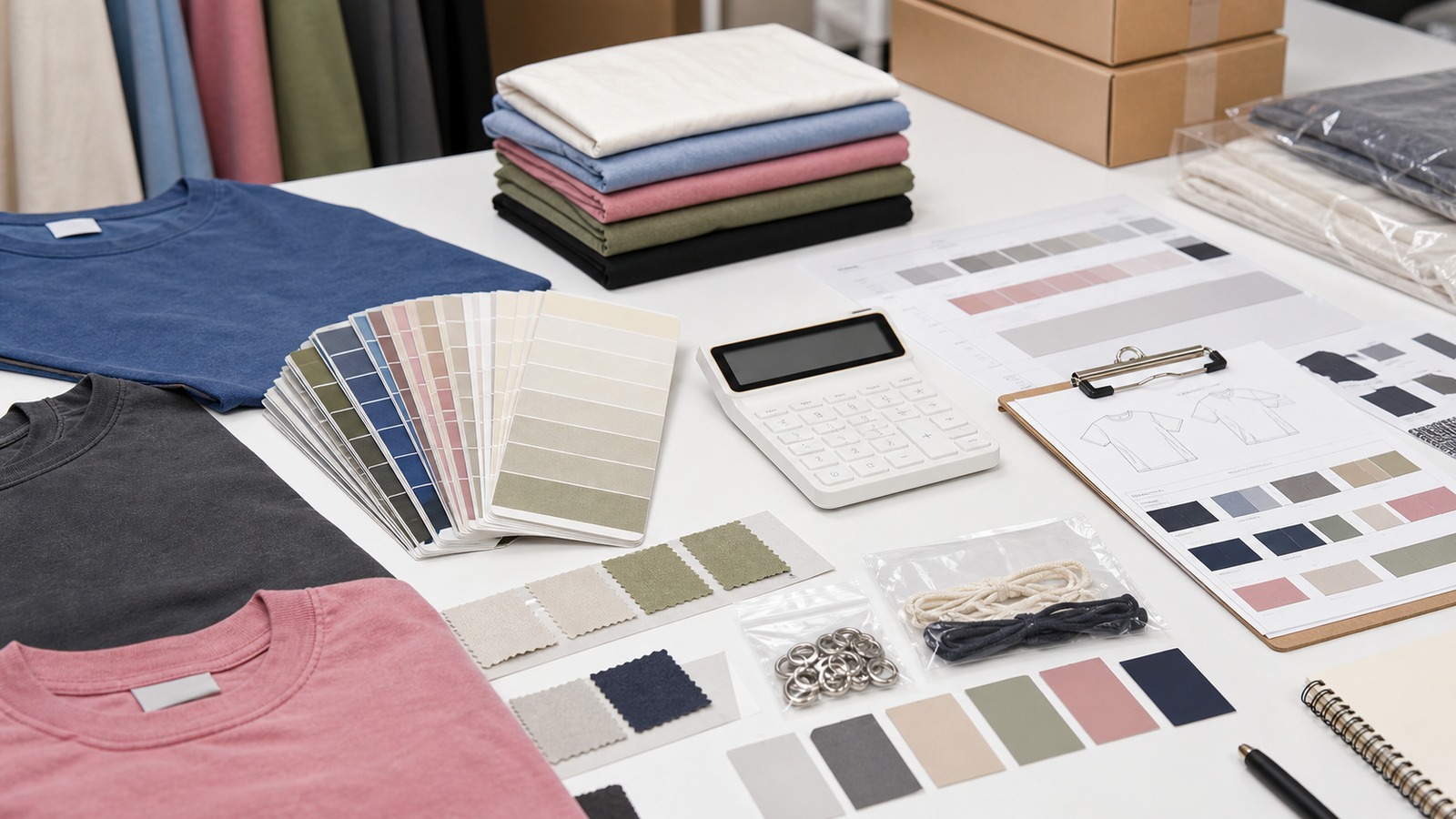
لا تكون تكلفة عينة الأزياء الرياضية مفيدة إلا عندما تستطيع العلامة التجارية رؤية مرحلة العينة، ونطاق المنتج، والمواد، والمكونات، والزخرفة، وأدلة التعديلات، وسياسة الاسترداد التي يمثلها عرض السعر. وبالنسبة إلى inPACE، تُحدد رسوم العينة للطراز بما يعادل 1.5–3 أضعاف عرض السعر بالجملة لذلك الطراز، مع طبقات استرداد محددة مرتبطة بكمية الطلب لكل طراز.
كيف يمكن أن تساعد تكلفة عينة الملابس الرياضية العلامة التجارية في اتخاذ قرار؟
يجب أن تساعد تكلفة عينة الملابس الرياضية المشتري في تحديد ما إذا كانت القطعة الملبسية الفعلية التالية ستجيب على سؤال المنتج الصحيح، وليس مجرد تحديد أقل رقم في عرض الأسعار. السعر المفيد يحدد النمط، والغرض من العينة، والمرجع الحالي، والمواد والمكونات المشمولة، وتفاصيل الزخرفة أو العلامة التجارية، والأسئلة المفتوحة المعروفة، وما سيتم مراجعته قبل مناقشة عينة أخرى أو قرار الإنتاج بالجملة.
بالنسبة لتصنيع المصنع المخصص، تنتمي تكلفة العينة إلى محادثة تطوير المنتج. قد يكون المشتري يختبر قصة جديدة تمامًا، أو قماشًا، أو بنية، أو لونًا، أو ميزة، أو طبعة، أو تطريزًا، أو عملية غسيل، أو علاقة مكونات. وهذا يختلف عن برنامج مستنير بالكتالوج حيث يكون الخط الخارجي قريبًا بالفعل من المنتج المطلوب وتتعلق القرارات الرئيسية بشعار أو ملصقات أو علامات معلقة أو تغليف أو تفاصيل عرض مختارة. يجب أن يجعل عرض الأسعار حدود المسار واضحة بحيث لا يُخطئ في اعتبار طلب تطوير مخصص جوهري تغييرًا بسيطًا في العلامة التجارية.
تصبح التكلفة قابلة للمقارنة فقط عندما تكون الافتراضات الأساسية قابلة للمقارنة. قد يشير رقم عينة أقل إلى مرحلة عينة مختلفة، أو مادة بديلة، أو مجموعة مكونات أبسط، أو عمل فني غير مؤكد، أو نقاط مراجعة أقل، أو سجل مختلف لما يجب تغييره بعد ذلك. لا يحتاج المشتري إلى إجابة كل سؤال قبل طلب عرض الأسعار، ولكن يجب تسمية المجهول. وهذا يسمح للمصنع بشرح ما يُقصد أن تثبته العينة المسعرة وما قد تؤثر عليه القرارات اللاحقة في المشروع.
لماذا لا يُعد عرض سعر العينة نفس الشيء كعرض سعر الجملة؟
يتعلق عرض سعر الجملة بخطة الإنتاج لنمط محدد وسياق طلب معين. بينما يتعلق عرض سعر العينة بخطوة تطوير مادي أو تأكيد قبل أن تصبح تلك الخطة نهائية. قد يتعلق كلاهما بنفس الثوب، لكن لا ينبغي التعامل معهما كسجلات قابلة للتبادل. أحدهما موجود لمساعدة المشتري والمصنع على فحص أدلة المنتج؛ والآخر يحتاج إلى منتج معتمد أوضح، ومواد، وهوية العلامة التجارية، والتغليف، واتجاه الكمية، ونطاق تجاري.
بالنسبة لـ inPACE، فإن معيار تكلفة العينة المعلن لنمط ما هو 1.5–3 أضعاف عرض سعر الجملة لذلك النمط. هذا نطاق سياسة معلن لنفس النمط، وليس رقماً سوقياً عالمياً ولا مبلغاً نهائياً ثابتاً دون عرض سعر مشروع. يجب على المشتري أن يسأل عن غرض العينة، وافتراضات المواد والمكونات، ونطاق العمل الفني أو الزخرفة، ونقاط المراجعة المضمنة في عرض السعر المعين، بحيث يُفهم المضاعف المطبق في سياقه.
يجب قراءة العلاقة بعناية. فهي لا تعني أن المشتري قد وافق على الإنتاج بالجملة لمجرد مناقشة مبلغ العينة. ولا تعني أن كل مراجعة مستقبلية ستكون مطابقة لمسار العينة الأول. فلا يزال الموجز الفعلي للمنتج، ومراجعة المصنع، وتوافر المواد، والألوان، والتركيب، والزخرفة، والملصقات، والتغليف، واتجاه الكمية، والتغييرات المفتوحة تشكل الخطة المناسبة. إن فصل سجل العينة عن سجل الجملة يحمي العلامة التجارية من مقارنة رقمين يصفان عملاً مختلفاً.
ما افتراضات تكلفة العينة التي ينبغي أن تكون مرئية قبل أن يقارن المشتري عروض الأسعار؟
الجدول أدناه أداة مقارنة عملية. وهو لا يفرض كيفية تسعير كل عينة من الملابس الرياضية. بل يوضح الفئات التي ينبغي للمشتري أن يضعها إلى جانب كل عرض سعر حتى يتمكن فريق المنتج من معرفة ما إذا كان الموردون يستجيبون لنفس الموجز وما إذا كانت العينة ستنتج الأدلة التي يتطلبها القرار التالي.
الغرض من الجدول هو إمكانية التتبع. يمكن للمشتري استخدامه قبل طلب عرض السعر الأول، ثم تحديثه بعد كل مراجعة. إذا تغير الموجز من مجموعة مستوحاة من الكتالوج إلى نمط جديد، أو اتجاه قماش مختلف، أو طبعة مضافة، أو معالجة غسيل، أو سحّاب معدّل، أو متطلب جديد لمجموعة المقاسات، يمكن للمشتري أن يرى أن عرض السعر قد يحتاج إلى إعادة النظر فيه. وهذا أكثر فائدة من التعامل مع تقدير أولي عام كوعد لكل نسخة لاحقة من المنتج.
كيف ينبغي للعلامة التجارية أن تقارن عرضي أسعار لعينتين من activewear بشكل عادل؟
ابدأ بإعطاء كل مصنع نفس حزمة المنتج الحالية. يمكن أن تتضمن تلك الحزمة صورة مرجعية، وقطعة ملابس موجودة، ورسمًا تخطيطيًا، وحزمة مواصفات فنية، وقياسات، والاستخدام المقصود، وتوجيه المواد، ومرجع الألوان، والتصميم الفني، والملصقات، وملاحظات التغليف، وتوجيه الكميات، والسوق المستهدف، وقائمة الأسئلة المفتوحة. لا يحتاج المشتري إلى اختراع بيانات ناقصة. من الأفضل تحديد قماش أو مكوّن أو طريقة شعار أو نقطة ملاءمة كعنصر مفتوح بدلًا من ترك مصانع مختلفة تفترض إصدارات مختلفة منه.
بعد ذلك، اطلب من كل عرض سعر أن يوضح نوع العينة والمخرج بلغة واضحة. هل تهدف العينة إلى إثبات مفهوم تطويري، أو الملاءمة والحركة، أو علاقة المادة أو الزخرفة، أو موضع الطباعة أو التطريز، أو مظهر الغسيل، أو نطاق المقاسات، أو عرض التغليف، أو الجاهزية قبل الإنتاج؟ يساعد دليل أنواع عينات activewear المشتري على الفصل بين هذه الأغراض. وعندما يغطي عرض سعر فحص ملاءمة بينما يغطي آخر تفسيرًا مبكرًا للمنتج فقط، لا ينبغي تقييم الأرقام كما لو كانت تشير إلى نفس الدليل.
ثم قارن الافتراضات سطرًا بسطر. قد تحتاج قطعة ملابس ذات ملاءمة أقرب إلى مراجعة أوضح للنمط والقياسات والمطاط والبطانة والحواشي والحركة. وقد تحتاج قطعة ملابس بها سحّاب أو لوح شبكي أو طباعة أو تطريز أو غسيل أو مكونات متعددة إلى أن يحدد المشتري العناصر التي تظهر في العينة والعناصر التي تبقى مفتوحة. يمكن أن يخفي الإجمالي البسيط تلك الفروق. وينبغي أن يسأل المقارنة: هل يجيب عرض السعر هذا عن نفس سؤال المنتج، ويستخدم نفس المرجع، ويؤدي إلى نفس القرار التالي؟
وأخيرًا، سجّل الإجراء التالي بدلًا من مجرد قبول رقم. قد يحتاج المشتري إلى تأكيد مادة، أو حزمة مواصفات فنية معدلة، أو عينة ملاءمة، أو عينة زخرفة، أو فحص مجموعة مقاسات، أو مثال تغليف، أو رد أوضح على سؤال مفتوح. يوضح دليل طلب عروض الأسعار المخصص لـ activewear كيفية إظهار تلك الافتراضات قبل مطالبة المصانع بمقارنة طلب تطوير منتج.
ما الذي تنص عليه سياسة رسوم العينات والاسترداد لدى inPACE؟
بالنسبة لطراز فردي، تحدد inPACE رسوم العينة بمقدار 1.5–3 أضعاف عرض السعر بالجملة لنفس الطراز. يجب قراءة المبلغ المحدد في العرض جنبًا إلى جنب مع موجز المنتج ونطاق العينة. ينبغي للمشتري تأكيد مرجع الطراز، والغرض من العينة، والمواد والتزيينات، ونطاق الزخرفة أو الغسيل، والملصقات، ونقاط التعبئة، والمراجعات قيد الدراسة، وعرض السعر الفعلي قبل استخدام النطاق لاتخاذ قرار تجاري.
كما تحدد inPACE شرائح استرداد رسوم العينات التالية عند تقديم طلب لطراز واحد. تظهر الشرائح تمامًا كسياسة كمية الطلب لكل طراز بحيث يمكن للعلامة التجارية التخطيط لمناقشة المنتج ومناقشة الطلب اللاحق بشكل منفصل.
يجب الاحتفاظ بهذه السياسة مع عرض السعر وسجل الطلب للطراز المعني. وهي لا تلغي الحاجة إلى تأكيد ما تثبته العينة، أو ما إذا كان المنتج المعتمد قد تغير، أو ما هي الافتراضات التجارية التي تنطبق على الطلب المقصود. يجب على المشتري الذي يقارن مشاريع بطرازات ومواد وتصنيع وزخارف وتركيبات ألوان ومتطلبات تعبئة أو كميات مختلفة أن يطلب من المصنع تحديد الشروط التي تنطبق على كل طراز بدلاً من نقل رقم من موجز إلى آخر.
كيف ينبغي للمشتري ربط نطاق العينة بطبقة الاسترداد دون خلط القرارات؟
استخدم سجلاً واحداً لكل طراز. في مرحلة العينة، ينبغي أن يحدد السجل مرجع المنتج، والغرض من العينة، والنطاق المسعّر، والمعامل ضمن النطاق المذكور، والمواد والمكونات المستخدمة أو التي لا تزال مفتوحة، ونقاط الزخرفة والتغليف، والأدلة المطلوبة للموافقة التالية. في مرحلة الطلب اللاحقة، ينبغي أن يحدد سجل الطراز نفسه كمية الطلب المتفق عليها وطبقة الاسترداد المذكورة المعمول بها. يحافظ هذا الهيكل على ظهور قرار المنتج بدلاً من تحويل نسبة الاسترداد إلى بديل عن الموافقة على المقاس أو المادة أو البناء أو العلامة التجارية.
يكون هذا مفيداً بشكل خاص عندما تحتوي المجموعة على ملابس مترابطة لكن مختلفة. قد تشترك حمالة الصدر والليغنغ والقميص التدريبي والسترة في اتجاه لوني واحد ومع ذلك تختلف في البناء والمواد والزخارف وأسئلة العينة. لا ينبغي دمجها في "عينة مجموعة" عامة واحدة فقط لأنها مخططة لنفس الإطلاق. يتيح السجل لكل طراز للعلامة التجارية رؤية أي قطعة ملابس لديها نقاش طلب بـ 100 وحدة أو 300 وحدة أو 500 وحدة أو 1,000 وحدة وأيها لا يزال بحاجة إلى موجز منتج منقّح.
يمكن للمشتري أيضاً استخدام السجل للتمييز بين اتجاه منتج موجود وطلب تطوير جديد. قد يحتاج طراز مستند إلى الكتالوج إلى تأكيد مركّز للشعار أو الملصق أو التغليف. أما الطلب الذي يغيّر المقاس أو القماش أو البناء أو اللون أو الميزة أو الطباعة أو التطريز أو الغسيل أو مسار أخذ العينات فيندرج ضمن مناقشة التصنيع المخصص في المصنع (Factory custom manufacturing). يساعد الحفاظ على هذا الحد الواضح المصنع على مراجعة النطاق الصحيح ويساعد العلامة التجارية على استخدام سياسة رسوم العينة والاسترداد المذكورة مقابل الطراز الفعلي المطلوب.
ما هي قرارات المنتج التي يمكن أن تغيّر مناقشة تكلفة العينة؟
لا تقتصر التغييرات ذات الصلة على إعادة تصميم واضحة. يمكن أن يؤدي توجّه جديد في المواد إلى تغيير العينة الفعلية التي يحتاج المشتري إلى مراجعتها. ويمكن أن يؤدي ترتيب مختلف للألواح إلى تغيير مناقشة البناء. وقد يتطلب بطانة أو مطاط أو سحّاب أو شريط حاشية أو حزام أو جيب أو معالجة درزات مختلفة فحصاً لمكوّن محدّد. ويمكن أن ينتقل الشعار من مناقشة موضع بسيط إلى مراجعة تتعلق بالطباعة أو التطريز أو الغسيل عندما تتغير مساحة الثوب أو مطاطيته أو سطحه أو التوقّع البصري له.
يمكن أن تكون قرارات اللون والمقاس مهمة أيضاً. قد تكفي عينة بمقاس واحد ولون واحد لسؤال ضيّق، لكن لا ينبغي افتراض أنها تعتمد كل مقاس أو كل توليفة لونية. يتناول دليل تدريج مقاسات الملابس الرياضية السؤال المنفصل عن كيفية مراجعة توجّه المقاس الأساسي عبر مجموعة من المقاسات. ويتناول دليل اعتماد الألوان في الملابس الرياضية كيفية الحفاظ على إمكانية تتبّع الهدف والمادة والشعار والحواشي والإصدار. تلك قرارات منتج قد تكون إلى جانب مناقشة تكلفة العينة دون أن تُختصر في بند سعري واحد.
ما يغيّر مناقشة التكلفة ليس ما إذا كان الثوب يبدو «بسيطاً» في صورة. بل ما إذا كان على المصنع أن يفسّر أو يراجع معلومات منتج جديدة. ويمكن أن يجعل الموجز الواضح المقارنة أكثر جدوى، لكن لا ينبغي أن يتظاهر بأن القرار النهائي معتمد بالفعل. وعندما يحدّد المشتري البنود المفتوحة مبكراً، يستطيع المصنع أن يوضح أيّها يحتاج إلى دليل من العينة وأيّها يمكن أن ينتظر إلى مناقشة لاحقة في مرحلة الإنتاج.
كيف ينبغي للعلامة التجارية أن تمنع تعديلات العينات من إخفاء العرض الأصلي؟
احتفظ بسجل مؤرخ لطلب العينة الأصلي وكل تغيير لاحق. ينبغي أن يُظهر السجل نسخة العينة، ومقاس الملابس ولونها، وملف المرجع ذي الصلة، وتوجيه المواد والمكونات، ونسخة التصميم أو الملصق، والملاحظات، والتغيير المطلوب، والمسؤول، وحالة القرار، والإجراء التالي المطلوب. يشرح دليل ملاحظات عينات الملابس الرياضية كيف يمكن للمشتري تحويل الملاحظات المادية إلى موجز تعديل مُحكم بدلاً من مجموعة من الرسائل والصور المعلّم عليها.
افصل بين تعديل العينة وتعريف منتج جديد. التعليق الصغير الذي يمكن تأكيده ضمن نطاق العينة الحالي يختلف عن طلب قَصّة جديدة أو قماش جديد أو بنية جديدة أو لون جديد أو ميزة جديدة أو زخرفة جديدة أو مسار عينة جديد. ينبغي تحديد الأخير كمناقشة تصنيع مخصص جديدة أو موسّعة في المصنع. يحمي ذلك المشتري من افتراض أن العرض الأول يغطي العمل الذي أدخله قرار منتج لاحق، ويمنح المصنع فرصة لمراجعة الموجز المعدّل الفعلي.
يساعد السجل نفسه عندما يقترب المشروع من قرار الإنتاج بالجملة. ينبغي أن يكون الفريق قادراً على رؤية مجالات المنتج المعتمدة، والمجالات التي لا تزال مفتوحة، والعينة التي تُظهر الحالة الحالية، والأدلة المتوقعة قبل مناقشة الإنتاج. يوفر سير عمل تصنيع الملابس الرياضية الصلة الأوسع بين معلومات المنتج، ومراجعة المواد والخياطة، ومراقبة الجودة، والتعبئة، والتحضير للتصدير. تكون مناقشة تكلفة العينة أكثر فائدة عندما تدعم هذا التسليم المُحكم بدلاً من أن تصبح بريداً تجارياً منعزلاً.
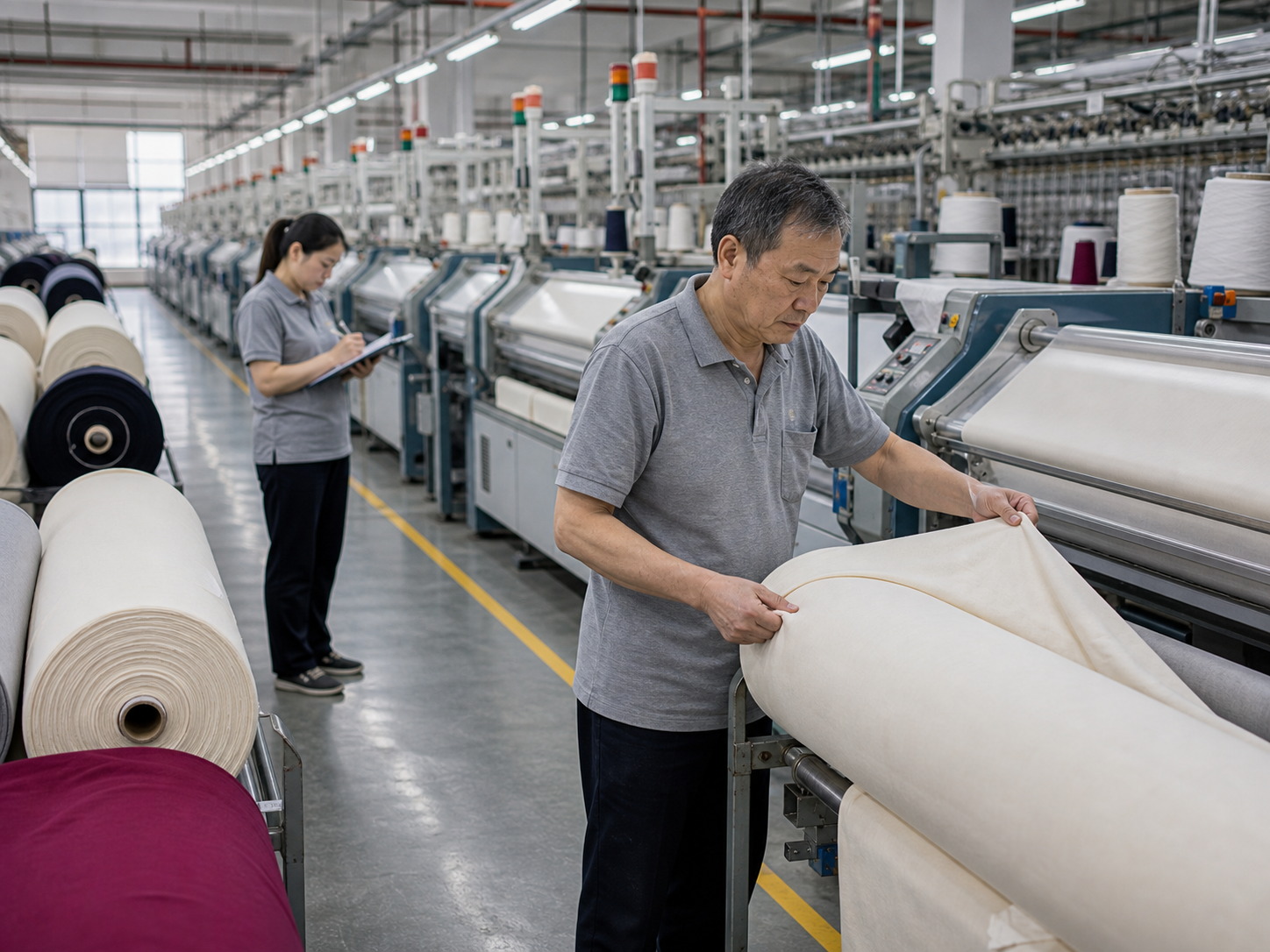
فريق المصنع يراجع عينات القماش ومراجع البنية قبل تأكيد اتجاه المواد والتشطيبات لمشروع ملابس رياضية
تُظهر الصورة لماذا يحتاج عرض سعر العينة إلى سياق منتج مادي. يكون قرار القماش أو التشطيب أكثر فائدة عندما يرتبط بمنطقة الملابس الفعلية، ونسخة المرجع، والغرض من العينة، وسؤال الموافقة التالي، بدلاً من إدراجه كاسم مادة عام أو رقم بدون نطاق.
كيف تندرج مواعيد العينات المذكورة وشروط الاسترداد ضمن محادثة التخطيط؟
تجيب التكلفة والتوقيت وشروط الاسترداد عن أسئلة مشترين مختلفة. يحدد رسم العينة المعاملة التجارية لنطاق عينة محدد. وتحدد مستويات الاسترداد النسبة المئوية المذكورة المرتبطة بكمية طلب لاحقة لكل تصميم. ويساعد التوقيت المشتري على التخطيط لموعد مراجعة العينة، وبعد الموافقات ذات الصلة، لموعد مناقشة الإنتاج المحتمل. وينبغي تسجيل هذه البنود معًا، لكن دون التعامل معها كدليل على أن جميع قرارات المنتج والقرارات التجارية أصبحت نهائية بالفعل.
بالنسبة لمشاريع inPACE، يتيح التخطيط المعتاد عادةً 5–10 أيام لأخذ العينات و25–50 يومًا للإنتاج بعد تأكيد الموافقات ذات الصلة وظروف المشروع. وهذه نطاقات تخطيطية وليست التزامات ثابتة. وقد يؤثر تعقيد المنتج، وتوافر القماش، والألوان، والطباعة، والتطريز، والغسيل، والملصقات، والتغليف، والكمية، وطلبات التغيير على المسار والتوقيت المعمول بهما. وينبغي للمشتري استخدام عرض سعر العينة لتوضيح ما يجب مراجعته ضمن هذا التخطيط، لا لافتراض أن كل مشروع يتبع التسلسل نفسه.
وبالمثل، تنطبق مستويات الاسترداد على كمية الطلب المذكورة لتصميم واحد: 10% عند 100 وحدة، و30% عند 300 وحدة، و50% عند 500 وحدة، و100% عند 1,000 وحدة. احتفظ بعرض السعر ذي الصلة، وهوية التصميم، وسجل الطلب معًا عند مناقشة السياسة. وإذا تغير نطاق المنتج تغيرًا جوهريًا، فاسأل عن افتراضات العينة والطلب التي تظل سارية قبل الاعتماد على حساب سابق.
ما الذي يجب أن يدرجه المشتري في طلب تكلفة عينة الملابس الرياضية؟
قبل أن تطلب من المصنع تقديم عرض سعر لعينة ملابس رياضية، جهّز المعلومات التالية:
- اسم المنتج أو رمز الطراز الداخلي، والنشاط المقصود، وما إذا كان المشروع مستندًا إلى الكتالوج أو تصنيعًا مخصصًا من المصنع.
- الغرض من العينة: التطوير، أو مراجعة القَصّة، أو المواد والتشطيبات، أو الزخرفة أو فحص الغسيل، أو مراجعة طقم المقاسات، أو عينة التغليف، أو مرجع جاهز للإنتاج.
- صور مرجعية، أو قطعة ملابس موجودة، أو رسم تخطيطي، أو حزمة فنية (tech pack)، أو وصف واضح لما يجب الحفاظ عليه وما يجب تغييره.
- القَصّة المقصودة، أو المقاس المراجع أو المستهدف، ونقاط القياس ذات الصلة، وأسئلة الحركة والتغطية والدعم أو الطبقات.
- القماش الأساسي، أو القماش المتباين، أو البطانة، أو المطاط، أو السحّاب، أو الشبك، أو الشريط، أو الملصقات، أو الإكسسوارات المعدنية، أو أي اتجاه آخر للمكونات يجب أن تستخدمه العينة أو تراجعه.
- مرجع اللون، وعلاقات توزيع الألوان، وإصدار العمل الفني، وموضع الشعار، والطباعة، والتطريز، والغسيل، أو أي أسئلة أخرى متعلقة بالعلامة التجارية المرئية.
- الملصق، أو البطاقة المعلقة، أو الكيس، أو الملصق اللاصق، أو الطيّ، أو تجميع الطقم، أو نقاط التغليف التي تدخل في نطاق العينة.
- قائمة مرقّمة بالأسئلة المفتوحة، بما في ذلك البند الذي يحتاج إلى دليل مادي قبل القرار التالي.
- إصدار العينة، ومسؤول القرار، وتاريخ المراجعة، وطريقة للحفاظ على ارتباط التعليقات والصور المشروحة.
- اتجاه الكمية للطلب اللاحق، مع الفصل بوضوح عن نطاق العينة وعرض السعر الحالي.
- طلب مضاعف تكلفة العينة المعمول به من inPACE ضمن النطاق المذكور من 1.5 إلى 3 أضعاف عرض سعر الكميات لنفس الطراز.
- طلب تسجيل فئة استرداد تكلفة العينة لكل طراز ذات الصلة مع عرض السعر: 10% عند 100 وحدة، 30% عند 300، 50% عند 500، أو 100% عند 1,000.
تتيح قائمة التحقق هذه للمصنع الرد على سؤال منتج حقيقي دون إجبار المشتري على تخمين تفاصيل غير معروفة. كما تساعد العلامة التجارية على مقارنة التكاليف، وأدلة العينات، وشروط الطلب اللاحقة على نفس سجل الطراز.
كيف يمكن لـ inPACE Sports دعم نقاش أوضح حول تكلفة العينة؟
يمكن لـ inPACE Sports مراجعة مرجع المنتج الخاص بالمشتري، والغرض من العينة، واتجاه المواد والتشطيبات، وأسئلة المقاس والتركيب، والتصميم الفني، والملصقات، وتفاصيل التغليف، واتجاه الكمية، والقرارات المفتوحة لمناقشة مسار التصنيع المخصص المناسب في المصنع. يمكن لمصنع نينغبو يينشان للملابس ربط محادثات أخذ العينات والطباعة والتطريز والغسيل والخياطة ومراقبة الجودة والتغليف والإنتاج بالموجز الفعلي حيث تنطبق تلك العمليات.
بالنسبة لمشروع يبدأ باتجاه منتج موجود، يمكن للمشتري استخدام بطاقات المجموعة والمنتج أدناه لتحديد ما يظل مستندًا إلى الكتالوج وما يحتاج إلى مناقشة تطوير منتج جديد. عندما يتطلب الموجز مقاسًا جديدًا أو قماشًا أو تركيبًا أو لونًا أو ميزة أو زخرفة أو مسار عينة جديدًا، يجب أن ينتقل الطلب إلى التطوير المخصص في المصنع. وهذا يجعل عرض سعر تكلفة العينة أكثر شفافية ويساعد المشتري على إبقاء دليل العينة وسياسة الاسترداد وشروط الطلب اللاحقة مرتبطة بنفس النمط المحدد.
ما الذي ينبغي أن ترسله العلامة التجارية لبدء نقاش حول تكلفة العينات واقتباس التطوير؟
أرسل مرجع الطراز، والغرض من العينة، والاستخدام المقصود، وأسئلة القياس أو الملاءمة، والمواد والمكونات، واتجاه الألوان والعلامة التجارية، وملاحظات الملصقات والتغليف، واتجاه الكمية، والقرارات المفتوحة، والأدلة المحددة التي يجب أن توفرها العينة التالية. اطلب نطاق العينة الخاص بالمشروع إلى جانب نطاق اقتباس الجملة المذكور البالغ 1.5–3 مرات ومستوى الاسترداد ذي الصلة لكل طراز.
شارك موجز تكلفة عينات الملابس الرياضية عندما يحتاج الفريق إلى مقارنة نطاق التطوير والشروط التجارية لطراز محدد. يدعم السجل الواضح نقاش اقتباس يضع المشتري أولاً دون الإيحاء بسعر ثابت غير معتمد، أو حد أدنى عالمي للطلب، أو سعة، أو نتيجة اختبار، أو شهادة، أو نتيجة تسليم.
اتجاهات المنتجات
استكشف منتجات activewear ذات الصلة
استخدم صفحات المنتجات هذه كمراجع عملية لملخصك، ثم أكّد المواد والمقاسات والتخصيص وتفاصيل الإنتاج من خلال العينات.
الأسئلة الشائعة
أسئلة المشترين
كم تبلغ تكلفة عينة الملابس الرياضية في inPACE؟
بالنسبة لطراز فردي، تحدد inPACE رسوم العينة بما يعادل 1.5–3 أضعاف عرض السعر بالجملة لذلك الطراز. يجب تأكيد المبلغ المعمول به مقابل موجز المنتج الفعلي، والغرض من العينة، والمواد، والمكونات، والتزيين أو نطاق الغسيل، والملصقات، ونقاط التغليف، والمراجعات المفتوحة. إنه نطاق سياسة معلن، وليس سعراً سوقياً عالمياً أو مبلغاً نهائياً ثابتاً دون عرض سعر خاص بالمشروع.
هل تسترد inPACE رسوم عينات الملابس الرياضية عندما تطلب علامة تجارية؟
نعم. بالنسبة لطراز واحد، تعلن inPACE عن فئات استرداد رسوم العينة بنسبة 10% عند 100 وحدة، و30% عند 300 وحدة، و50% عند 500 وحدة، و100% عند 1,000 وحدة. احتفظ بمرجع الطراز وعرض السعر وسجل الطلب معاً حتى تكون الفئة ذات الصلة لكل طراز واضحة.
لماذا ينبغي للعلامات التجارية مقارنة عروض أسعار العينات حسب النطاق بدلاً من السعر فقط؟
قد يشير عرض سعر العينة إلى مفهوم تطوير، أو فحص المقاس، أو مراجعة المواد أو الإكسسوارات، أو مراجعة التزيين أو الغسيل، أو فحص مجموعة المقاسات، أو عينة التغليف، أو مرجع ما قبل الإنتاج. إذا كان مصنعان يقدمان عروض أسعار لأغراض عينات مختلفة، أو مواد، أو مكونات، أو تفاصيل علامة تجارية، أو سجلات مراجعات مختلفة، فإن الأرقام لا تمثل نفس قرار المشتري.
ما الذي يمكن أن يغيّر مناقشة تكلفة عينة الملابس الرياضية؟
قد يؤدي مقاس جديد، أو نمط، أو قماش، أو بطانة، أو مطاط، أو سحّاب، أو لوح شبكي، أو تفصيل إنشائي، أو اتجاه لوني، أو طباعة، أو تطريز، أو غسيل، أو ملصق، أو متطلب تغليف، أو نوع عينة، أو مراجعة إلى تغيير نطاق المنتج الذي يحتاج إلى مراجعة. حدد البند المعتمد أو المقترح أو المُستبدل أو المفتوح قبل مقارنة عروض الأسعار.
هل يعتمد عرض سعر العينة الإنتاج بالجملة؟
لا. يدعم عرض سعر العينة خطوة تطوير أو تأكيد محددة. لا يزال الإنتاج بالجملة بحاجة إلى مرجع المنتج المعتمد ذي الصلة، والمواد، والألوان، والإنشاء، والمكونات، والعلامة التجارية، والتغليف، واتجاه الكمية، وظروف المشروع ليتم مراجعتها وتأكيدها.
كم من الوقت تستغرق عينات الملابس الرياضية والإنتاج عادةً؟
بالنسبة لمشاريع inPACE، تسمح التخطيطات المعتادة عادةً بحوالي 5–10 أيام لأخذ العينات وحوالي 25–50 يوماً للإنتاج بعد تأكيد الموافقات ذات الصلة وظروف المشروع. هذه نطاقات تخطيطية، وليست التزامات ثابتة. يمكن أن يؤثر التعقيد، والمواد، والألوان، والطباعة، والتطريز، والغسيل، والملصقات، والتغليف، والكمية، وطلبات المراجعة على المسار والتوقيت المعمول بهما.
ما الذي ينبغي أن ترسله العلامة التجارية للحصول على عرض سعر تكلفة عينة الملابس الرياضية؟
أرسل مرجع الطراز، والغرض من العينة، والاستخدام المقصود، وأسئلة المقاس والقياسات، واتجاه المواد والإكسسوارات، وملفات الألوان والعلامة التجارية، والملصقات وملاحظات التغليف، واتجاه الكمية، والقرارات المفتوحة، والأدلة المطلوبة من العينة التالية. اطلب من المصنع تحديد نطاق العينة، ونطاق رسوم عينة inPACE المعمول به، وفئة الاسترداد لكل طراز مع عرض السعر.